
In many cases, planning permission is not required for a conservatory or orangery if it meets permitted development rules around size, height, position, and property type.

However, permission is required if those limits are exceeded, if the home is listed, in a conservation area, or if permitted development rights have been removed. Building regulations are a separate legal requirement and often still apply.

Is Planning Permission Required for a Conservatory or Orangery?
The question of conservatory planning permission comes up early for good reason. Getting this wrong can result in enforcement notices, delays during construction, or complications when selling your home later.
In England, many conservatories and orangeries can be built without full planning permission, but this is only true when strict conditions are met. The rules are clear, but they are also precise. Small measurement errors or incorrect assumptions are often what cause problems.
This guide explains how conservatory planning permission works, when permission is not needed, when it is required, and how to protect yourself before building begins.
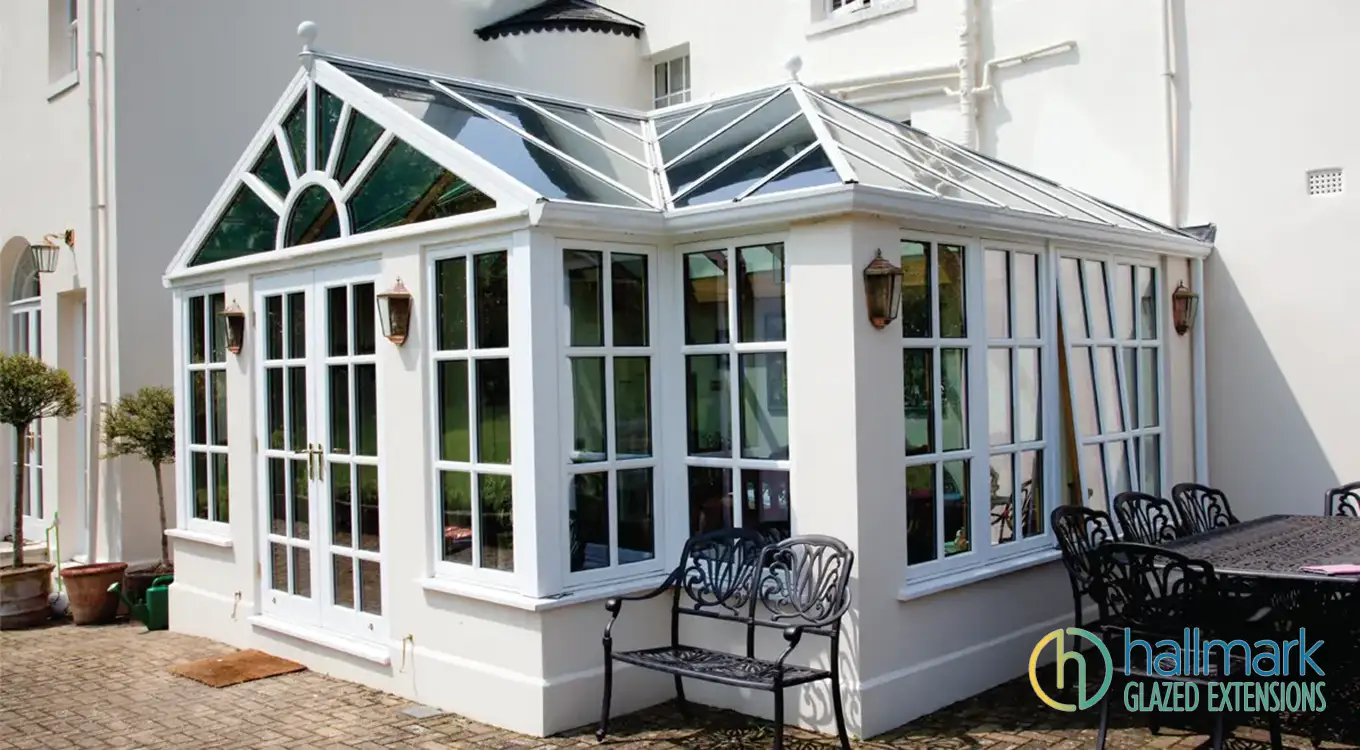
The legal framework behind conservatory planning permission
Planning rules for conservatories and orangeries in England fall under permitted development rights, set out in the Town and Country Planning (General Permitted Development) (England) Order 2015, most recently amended in 2023.
Permitted development allows certain home extensions to proceed without a full planning application, provided every condition is satisfied. Official guidance and rule interpretation are published by the Planning Portal.
These rights apply only to houses, not flats or maisonettes, and can be restricted by local planning authorities.
When conservatory planning permission is not required
A conservatory or orangery usually counts as a rear or side extension. Planning permission is normally not required if all of the following conditions are met.
Extension depth limits
Measured from the original rear wall of the house:
Under the larger home extension scheme, this can increase to:
This larger allowance requires a prior approval application to the local authority.
Height restrictions
Height breaches are one of the most common reasons permitted development rights are lost.
Garden coverage rules
Extensions and outbuildings together must not cover more than 50 percent of the original garden area, based on the property as it stood in 1948, or when first built if later.
Position rules

Orangery planning permission rules
From a planning perspective, there is no legal distinction between a conservatory and an orangery.
What matters is not the name, but the physical characteristics of the structure. An orangery with a solid perimeter roof and lantern can still fall within permitted development limits, provided it meets the same size, height, and positioning rules.
Because orangeries often feel more substantial, they are more likely to trigger planning scrutiny if limits are pushed close to the maximum.
When planning permission is required
Planning permission is required if:
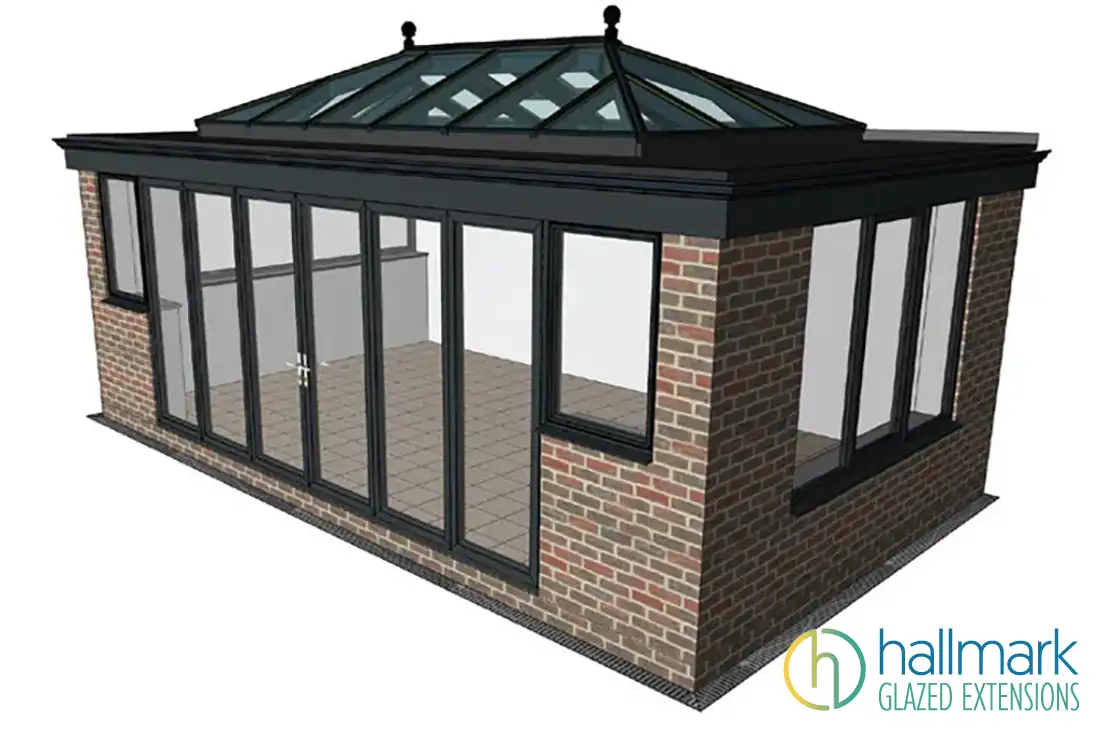
Building regulations still apply in many cases
Avoiding planning permission does not mean avoiding building regulations.
Building regulations approval is often required if:
Thermal performance standards are governed by the Building Regulations 2010, with Part L updated in 2022 to reflect higher energy efficiency requirements.
This is particularly relevant for modern glazed extensions designed for year round use.
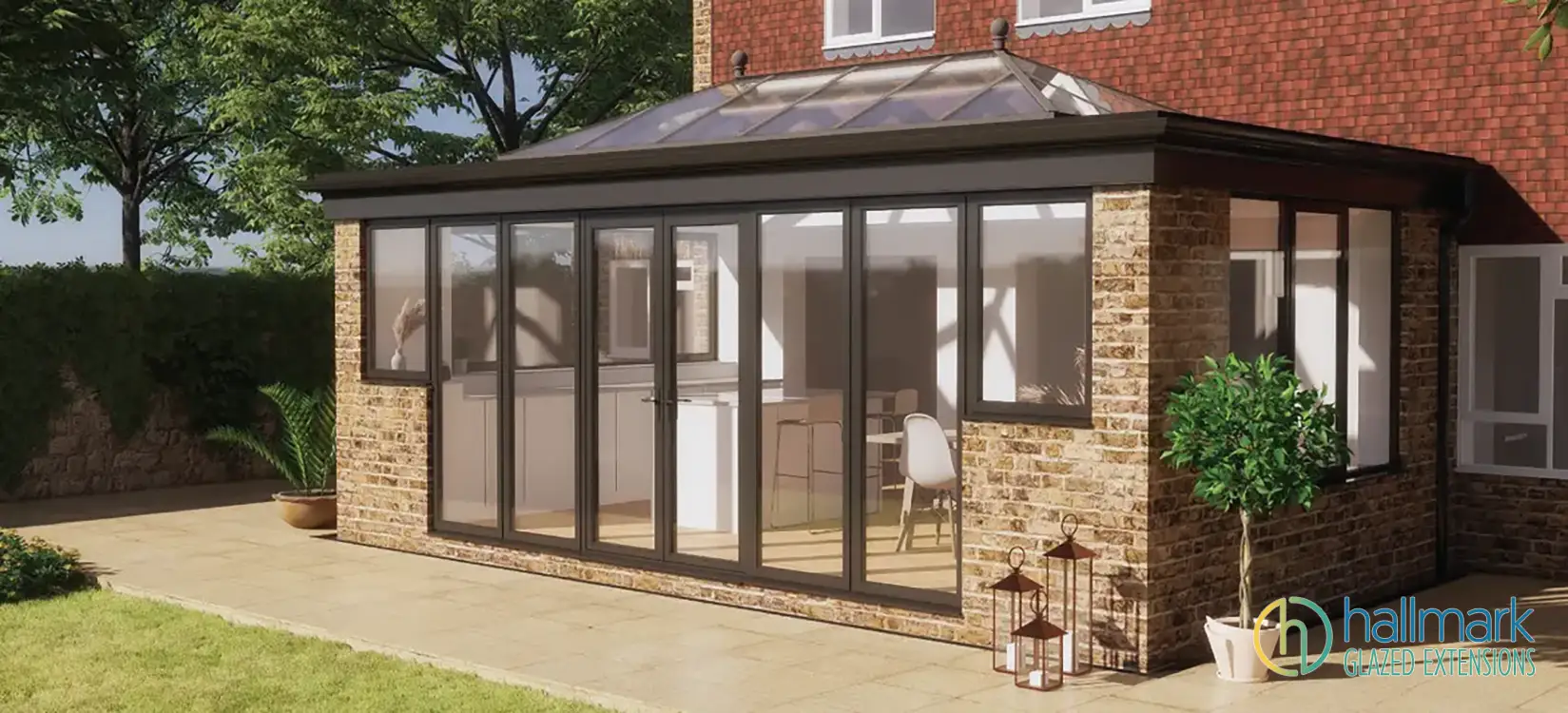
Prior approval for larger conservatories and orangeries
The larger home extension scheme allows deeper extensions, but introduces a prior approval process.
This involves:
If neighbours object, the local authority can refuse the proposal even if size limits are met.
Why a lawful development certificate is worth considering
A Lawful Development Certificate confirms that your conservatory or orangery is legal under permitted development rules.
It is not mandatory, but it provides:
Many buyers now expect this documentation for glazed extensions.
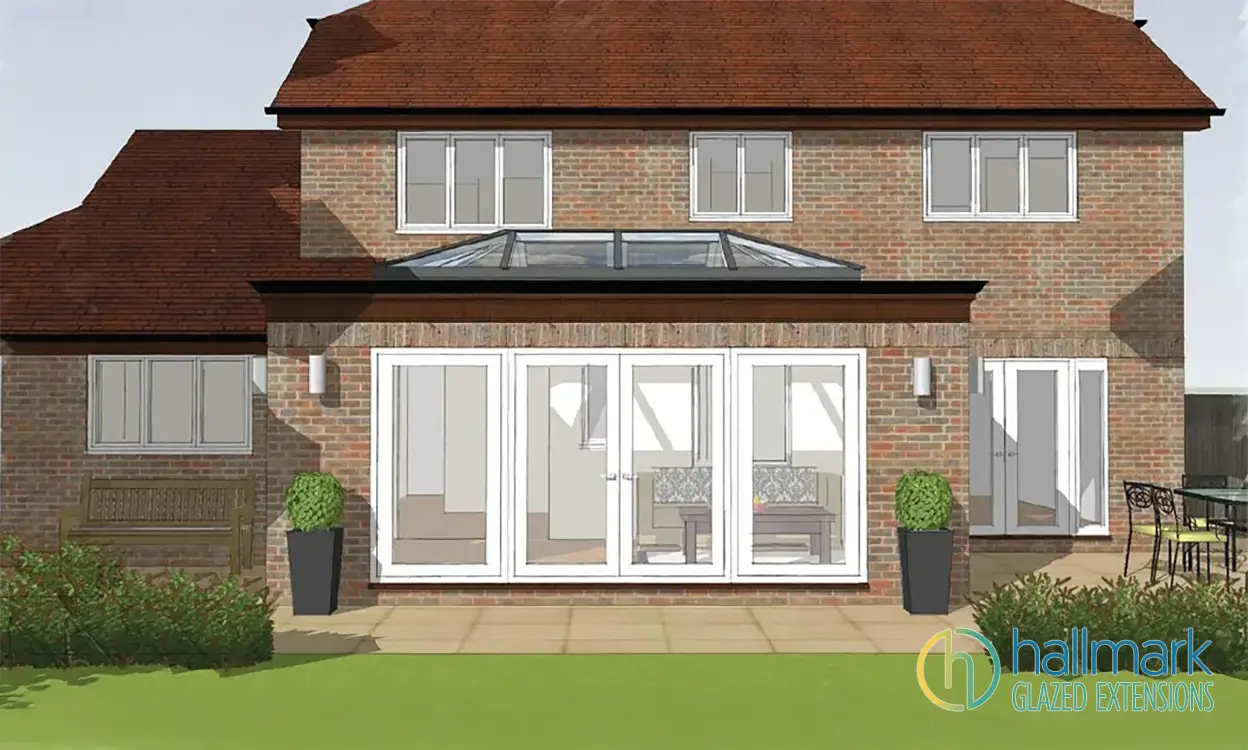
Local interpretation matters more than most people realise
Although planning law is national, interpretation and enforcement are handled locally.
Councils can differ on:
Professional design input and early checks help avoid problems later. The design process and regulatory guidance available in Hallmark Glazed Extensions Advice Hub is a useful starting point.
Professional context and industry guidance
Professional bodies such as the Royal Institute of British Architects provide interpretation and best practice guidance on residential extensions and planning compliance.
Getting clarity before you commit
Conservatory planning permission is usually straightforward when approached correctly. Problems arise when assumptions are made about size, height, or location without proper checks.
Clear drawings, accurate measurements, and early advice ensure your conservatory or orangery remains compliant, future proof, and stress free.
Getting clarity before you build
Understanding conservatory planning permission before work begins removes uncertainty and protects your home long term. While many conservatories and orangeries fall within permitted development rules, every property is different. Small details around size, height, boundaries, and local restrictions can change whether permission is required.
Taking advice early, checking measurements properly, and confirming how the rules apply to your specific home avoids delays, redesigns, or legal issues later. It also gives peace of mind that your extension is compliant, future-proof, and properly documented for resale.
If you would like clear guidance based on your property, layout, and plans, the team at Hallmark Glazed Extensions can help you understand exactly where you stand before any decisions are locked in and will guide you through the whole process.
Frequently asked questions about conservatory planning permission
1. How do I know if my conservatory counts as permitted development?
A conservatory usually counts as permitted development if it meets all rules on size, height, position, and garden coverage, and the property is a house rather than a flat or listed building. If any single condition is not met, permitted development does not apply.
2. Do I need planning permission for a conservatory at the back of my house?
In many cases, no. Rear conservatories often fall within permitted development limits. However, the exact depth allowed depends on whether the house is detached, semi-detached, or terraced, and whether a prior approval process is required.
3. Is planning permission more likely to be required for an orangery?
Not automatically. From a planning perspective, orangeries and conservatories are treated the same. What matters is the structure’s size, height, and location, not whether it is called an orangery or a conservatory.
4. Do conservatories need building regulations approval even if planning permission is not required?
Yes, in many situations. If the conservatory is open plan to the house, includes structural changes, or has heating connected, building regulations approval may still be required even when planning permission is not.
5. What happens if I build a conservatory without planning permission when it was required?
The local authority can issue an enforcement notice requiring changes or removal. This can also cause serious problems when selling the property, as solicitors will ask for proof the extension is lawful.
6. Does being in a conservation area affect conservatory planning permission?
Yes. Homes in conservation areas often have restricted permitted development rights. Planning permission is more likely to be required, even for relatively small conservatories or orangeries.
7. What is a Lawful Development Certificate and do I need one?
A Lawful Development Certificate confirms in writing that your conservatory or orangery is lawful under permitted development rules. It is not mandatory, but it provides legal certainty and is often requested during property sales.
8. Can my neighbour stop me building a conservatory under permitted development?
Neighbours cannot stop a compliant permitted development build. However, if you use the larger home extension scheme, neighbours are formally consulted and objections can influence the council’s decision.
9. Do planning rules change depending on my local council?
The law itself is national, but interpretation and enforcement are local. Councils can differ on how they assess measurements, boundaries, and visual impact, which is why early professional advice matters.
10. Should I check planning permission before getting conservatory designs drawn up?
Yes. Understanding planning limits early helps ensure designs are realistic and compliant from the outset, avoiding redesign costs, delays, or rejected applications later.
