
Which is better, a conservatory or an orangery is one of the most common questions we hear from homeowners who are serious about extending their home and want to make the right decision before moving forward.

At this stage, most people are not looking for inspiration. They are looking for clarity, reassurance, and an honest explanation of how each option will actually work for their home, lifestyle, and long-term plans.
There is no single answer to which is better, a conservatory or an orangery. A conservatory is typically lighter and more visually connected to the garden, while an orangery feels more solid and integrated with the house. The right choice depends on how you want to use the space, how important year-round comfort is, and how closely it needs to feel like part of the main home.
A clear answer to a common homeowner question
When clients ask us which is better, a conservatory or an orangery, what they are really asking is which option will feel right for their home once it is built and lived in.
The honest answer is that neither is universally better. Both can be beautifully designed, comfortable, and valuable additions to a home when they are planned properly. The difference lies in how the space is constructed, how it performs, and how it integrates with the rest of the property.
Rather than starting with labels, we always encourage homeowners to think about how the space will be used day to day. That is where the right answer becomes clear.
What a modern conservatory offers today
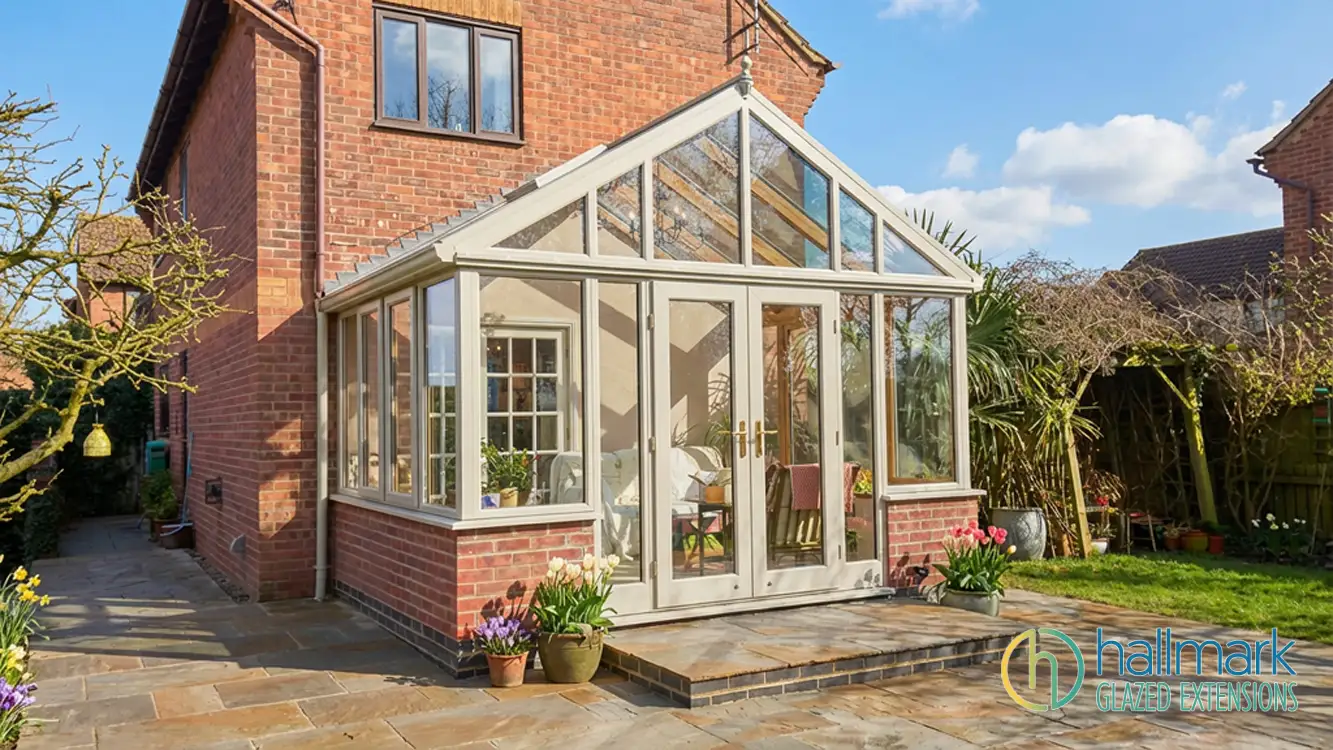
A modern conservatory is a far cry from the seasonal, uncomfortable structures many people remember from years ago. Advances in glazing, roof systems, and design have transformed what a conservatory can be.
Today, a conservatory is defined by its higher proportion of glass. This creates a bright, open space with a strong visual connection to the garden. For many homeowners, that connection to natural light and outdoor views is the main appeal.
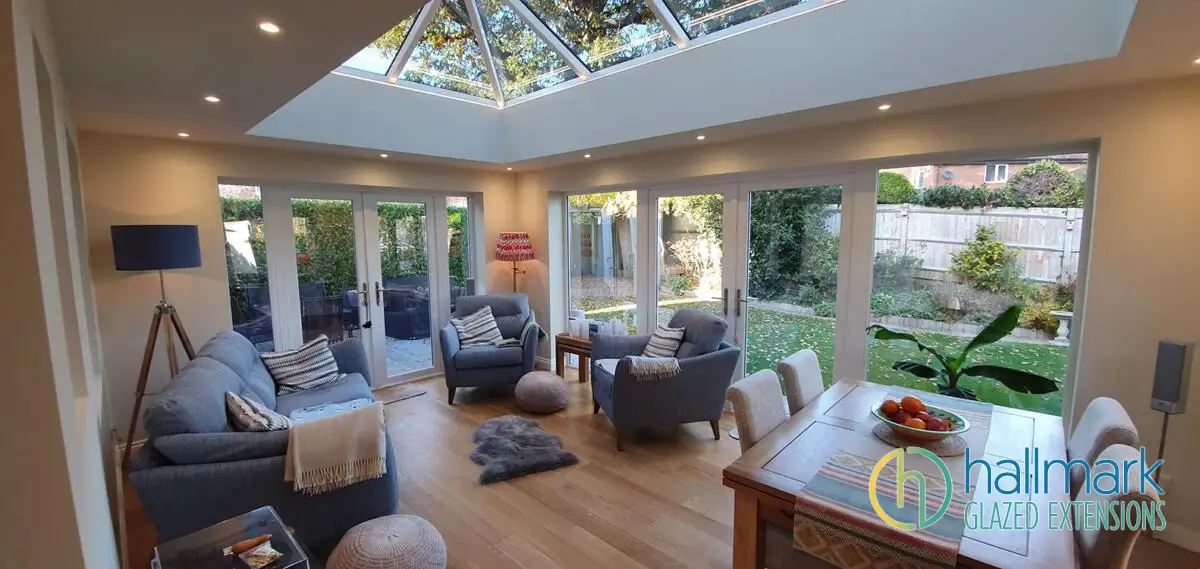
Modern conservatories work particularly well as dining areas, relaxed sitting rooms, or family spaces that feel uplifting and open. With the correct glass specification, they can be used comfortably for much more of the year than older designs ever allowed.
The key is design. Orientation, glazing performance, ventilation, and roof choice all play a significant role in how the space feels once it is finished. When these elements are considered carefully, a conservatory can become a well-used and much-loved part of the home.
Why an orangery feels different to live in
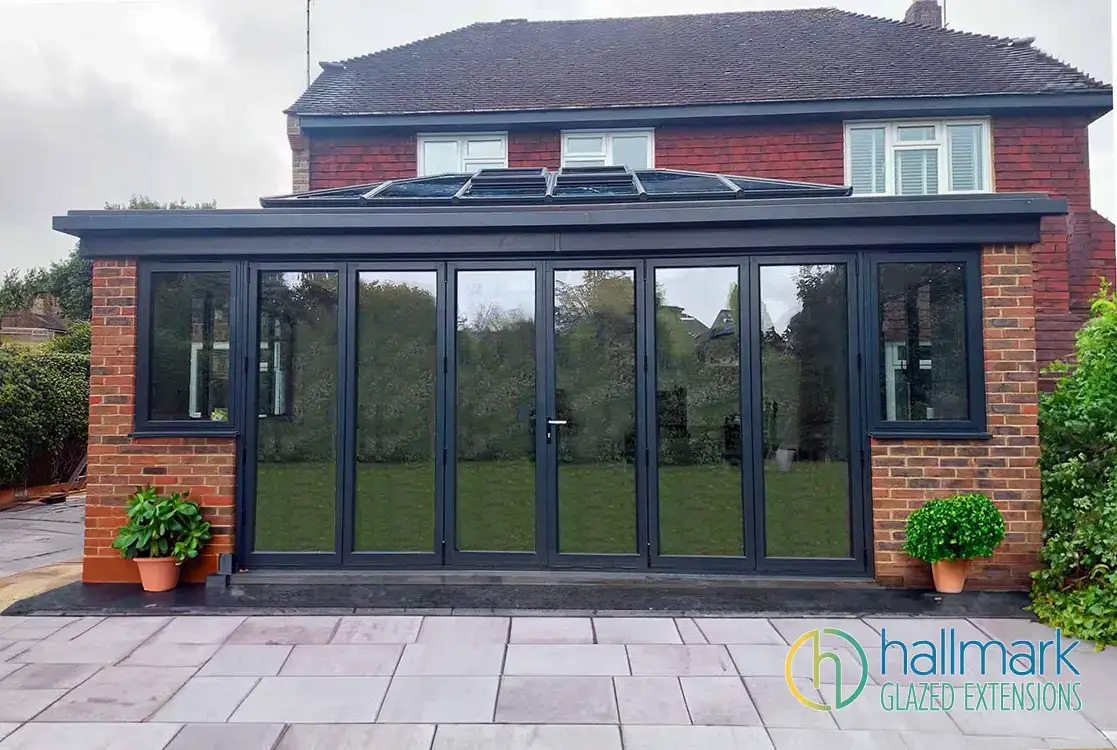
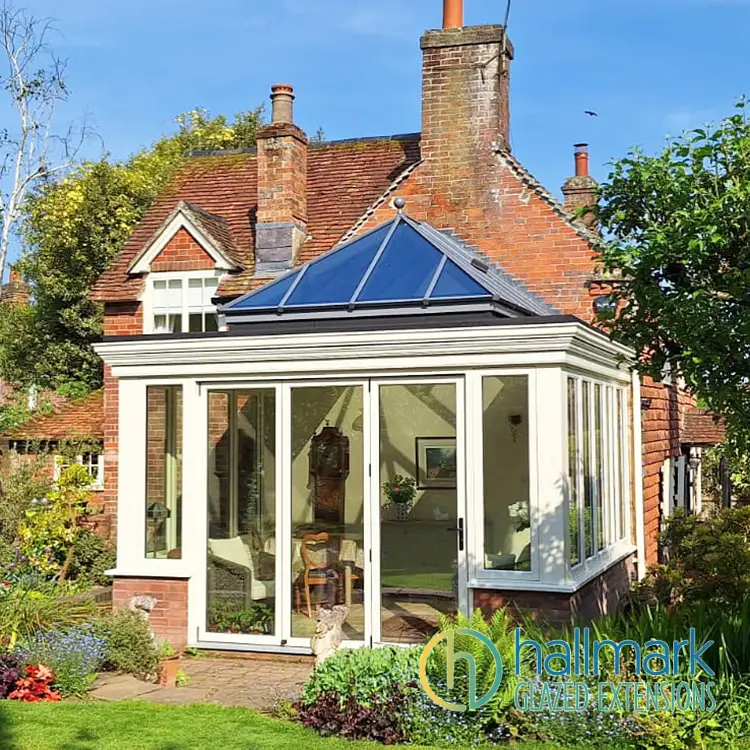
An orangery offers a different experience because of how it is built. It combines solid walls and a more substantial perimeter roof with a glazed lantern at the centre.
This balance of structure and light gives an orangery a more room-like feel. Many homeowners describe it as feeling closer to a traditional extension, but with far better natural light than a solid roof would allow.
Because of its construction, an orangery often integrates more seamlessly with the rest of the house. It works particularly well as a kitchen extension, an open-plan living space, or an area designed for entertaining throughout the year.
The sense of permanence and architectural weight is often what draws people towards an orangery. It feels intentional, settled, and very much part of the original home rather than an addition tacked on later.
Our approach to orangery design focuses on proportion, materials, and how the space connects internally.
Comfort, warmth, and year-round performance
One of the most important factors when deciding which is better, a conservatory or an orangery, is how the space performs across all seasons.
Conservatories rely more heavily on advanced glazing to manage temperature. Modern solar control glass helps reduce overheating in summer while retaining warmth in winter. When specified correctly, this can create a space that is comfortable for everyday use.
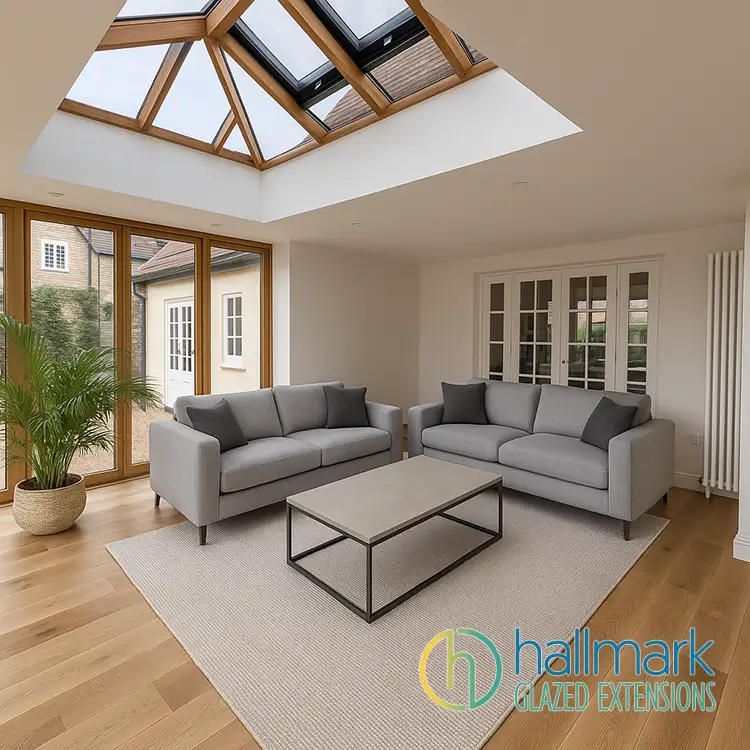
Orangeries benefit from their solid elements. The walls and perimeter roof provide additional insulation and thermal stability, which often results in a more consistent internal temperature throughout the year. The roof lantern still brings in generous daylight without the same level of exposure as a fully glazed roof.
Both options can be comfortable and efficient. The difference is in how that comfort is achieved. A conservatory prioritises openness and light, while an orangery uses structure to create balance and control.
Planning permission and property considerations
In many cases, both conservatories and orangeries can fall under permitted development, provided they meet specific size, height, and location requirements. However, this is not guaranteed and should never be assumed.
Factors such as listed buildings, conservation areas, previous extensions, or changes to roof height can all affect whether planning permission is required. This applies regardless of whether the structure is classed as a conservatory or an orangery.
Clear, up-to-date guidance is available from the Planning Portal.
Property style also plays a role. Period homes often suit the architectural presence of an orangery, while contemporary properties can work beautifully with either option when the design is handled sensitively. What matters most is that the extension feels appropriate to the house rather than forcing the house to adapt to the extension.
Cost, value, and long-term return
The cost of a glazed extension is an understandable consideration, but it should always be looked at alongside value and longevity. An orangery typically involves more structural work, which can increase initial investment. A conservatory may offer more flexibility depending on size and specification.
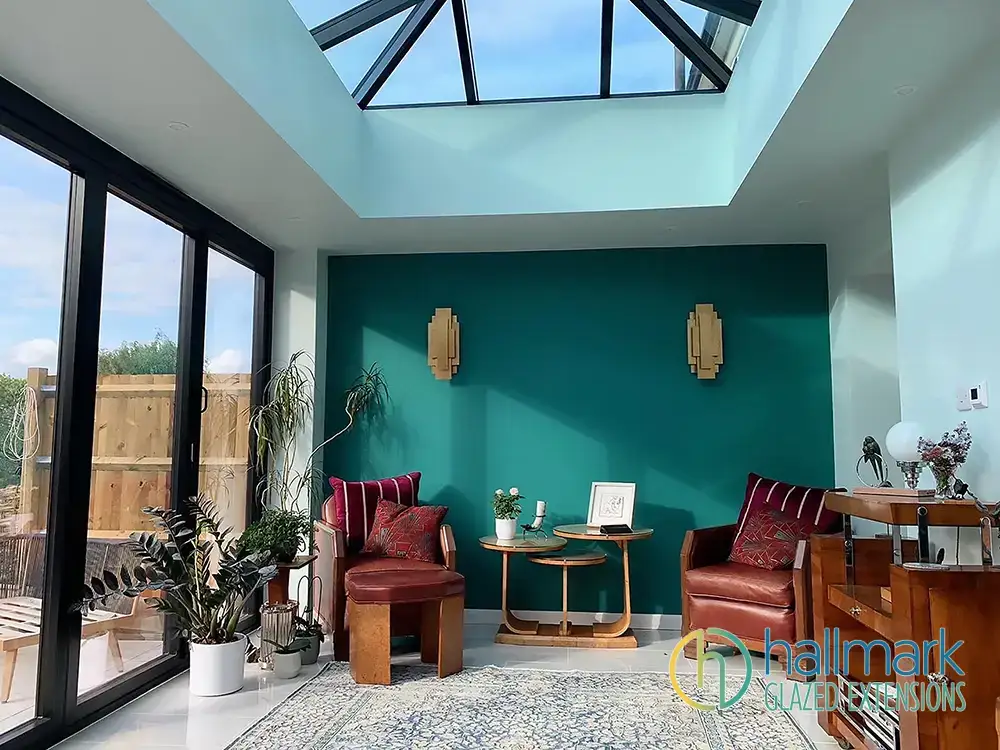
What we encourage clients to think about is how often the space will be used and how well it will age. A room that is comfortable, practical, and integrated into daily life will always deliver more value than one that looks impressive but sits unused for large parts of the year.
Energy efficiency, quality of materials, and thoughtful design all contribute to long-term satisfaction.
Which option is right for your home and lifestyle
If you are weighing up which is better, a conservatory or an orangery, the most helpful question to ask is how you want the space to feel when you are actually living in it.
If you picture a light-filled space with strong garden views and a sense of openness, a conservatory may be the right choice. If you want a space that feels like a natural continuation of your home, suitable for everyday living in all seasons, an orangery may suit you better.
Family routines, entertaining, working from home, and future plans should all feed into the decision. There is no benefit in choosing one option simply because it is perceived as better on paper.
Seeing real projects can help bring this to life. Our case studies show how different designs support different lifestyles.
Making a confident decision with expert guidance
Ultimately, deciding which is better, a conservatory or an orangery, comes down to understanding your home, your priorities, and how you want the space to work for you long after the build is complete.
At Hallmark Glazed Extensions, we guide homeowners through this decision every day. Our role is not to push one option over another, but to help you understand what will genuinely work best for your property and lifestyle.
When design, frame materials, and performance are aligned with how you live, the right choice becomes clear. That is when an extension stops feeling like an addition and starts feeling like it has always belonged.
Talk to us about your conservatory or orangery plans
If you are weighing up whether a conservatory or an orangery is right for your home, a conversation with an experienced design team can make the decision far clearer.
At Hallmark Glazed Extensions, we take the time to understand how you want to live in your space, how your home works now, and what you want it to deliver long term. Our advice is practical, considered, and based on decades of experience designing bespoke glazed extensions that perform as well as they look.
Whether you are at the early research stage or ready to move forward, we are happy to talk through your options and help you understand what will work best for your home.
Get in touch with Hallmark Glazed Extensions:
Call us: 01323 671007
Or, if you prefer, you can book a design consultation at a time that suits you and start exploring your options with confidence.
FAQs about which is better, a conservatory or an orangery for your home
1. Which is better, a conservatory or an orangery?
Neither is universally better. A conservatory is typically lighter and more visually connected to the garden, while an orangery feels more solid and integrated with the house. The right choice depends on how you plan to use the space, how important year-round comfort is, and how closely it needs to feel like part of your main home.
2. What is the main difference between a conservatory and an orangery?
The main difference is construction. Conservatories use a higher proportion of glass, particularly in the roof, creating a bright and open feel. Orangeries combine solid walls and a perimeter roof with a central glazed lantern, giving the space a more room-like and permanent feel.
3. Are modern conservatories usable all year round?
Yes, when designed properly. Modern conservatories use advanced glazing, improved roof systems, and thoughtful ventilation to manage temperature more effectively than older designs. With the right specification, they can be comfortable for everyday use across much more of the year.
4. Why does an orangery feel more like part of the house?
An orangery feels more integrated because it uses solid walls and a more substantial roof structure. This creates a sense of permanence and architectural weight, helping the space blend naturally with the existing property rather than feeling like a separate glazed addition.
5. Which option is warmer in winter and cooler in summer?
Both can perform well when designed correctly. Conservatories rely more on high-performance glazing to regulate temperature, while orangeries benefit from solid elements that provide additional insulation and thermal stability. The difference lies in how comfort is achieved rather than which option is automatically better.
6. Do conservatories and orangeries need planning permission?
In many cases, both can fall under permitted development, but this is not guaranteed. Factors such as property type, location, previous extensions, conservation areas, or listed status can affect whether planning permission is required. It should always be checked early rather than assumed.
7. Is an orangery always more expensive than a conservatory?
Yes, an orangery extension typically involves more structural work, which can increase initial investment. Cost should be considered alongside value, comfort, and how the space will be used, rather than focusing on upfront figures alone.
8. Which option adds more long-term value to a home?
Long-term value comes from usability rather than structure type. A space that is comfortable, well integrated, and used daily will deliver far more value than one that looks impressive but is rarely used. Design quality and performance matter more than labels.
9. How do I decide which option suits my lifestyle?
Think about how you want the space to feel when you are living in it. If you want openness, garden views, and maximum daylight, a conservatory may suit you. If you want a space that feels like a natural continuation of your home and works comfortably year round, an orangery may be a better fit.
10. Why is expert design advice important when choosing between a conservatory or orangery?
The success of either option depends on design, materials, and how the space connects to the rest of your home. Expert guidance helps ensure the extension works for your lifestyle, performs well long term, and feels like it truly belongs to the property.
