
In 2026, realistic conservatory and orangery costs in the UK typically range from £2,400 to £3,600 per square metre plus VAT. Conservatories usually start from around £48,000 for a fully compliant, year-round space, while orangeries tend to start from £60,000 and rise with specification. Costs are influenced by size, design complexity, frame materials, location, and planning requirements. This guide explains what genuinely affects pricing and how to budget accurately.
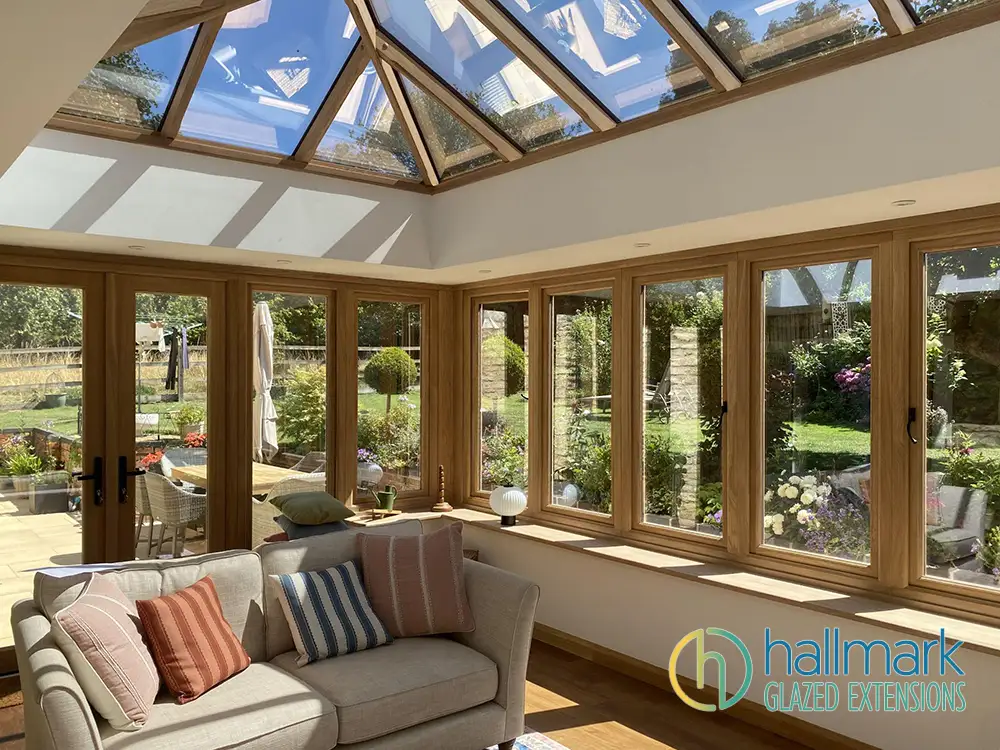
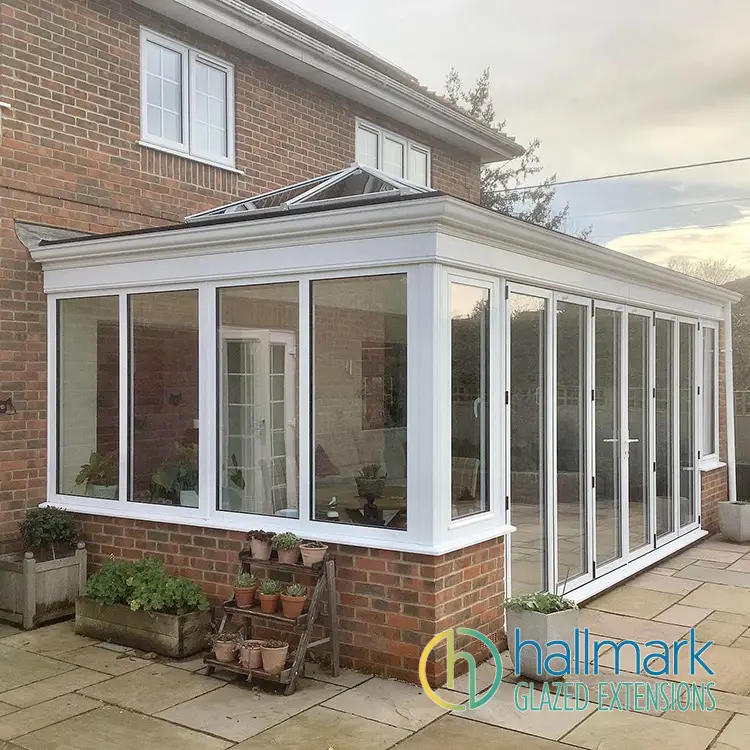
Understanding conservatory and orangery costs in 2026 is one of the most common starting points for homeowners planning a glazed extension. Cost-related searches dominate high-intent queries because once homeowners understand realistic budgets, they move quickly from research to action.
This guide has been updated for 2026 using current supplier pricing, live planning costs, and real build data, rather than outdated online averages. It is designed to help you plan with clarity and avoid the common pricing traps that cause budgets to unravel later.
Why conservatory and orangery costs are often misunderstood
A frequent misconception is that a conservatory or orangery automatically costs less than a traditional extension. In practice, a properly designed glazed extension includes all the same core construction elements:
- Groundworks and foundations
- Structural walls and steels
- Insulation, plastering, flooring
- Electrical and heating integration
- Building regulations compliance
On top of this, glazed extensions include bespoke frames and high-performance conservatory glazing systems, which are precision-manufactured rather than off-the-shelf materials. This is why headline prices found online often fail to reflect the cost of a genuinely usable space.
Average conservatory and orangery costs per square metre in 2026
For 2026, realistic UK build costs for compliant glazed extensions are:
- £2,400 to £2,800 per m² plus VAT for good-quality builds
- £2,800 to £3,600 per m² plus VAT for higher-specification or more complex designs
These figures align with current industry guidance from Homebuilding & Renovating, which notes that glazed extensions often sit at the higher end of single-storey extension pricing due to materials and glazing performance requirements.
Smaller extensions often cost more per square metre because fixed costs such as design, groundworks, and service connections are spread across a smaller footprint.
Why perimeter length matters more than floor area
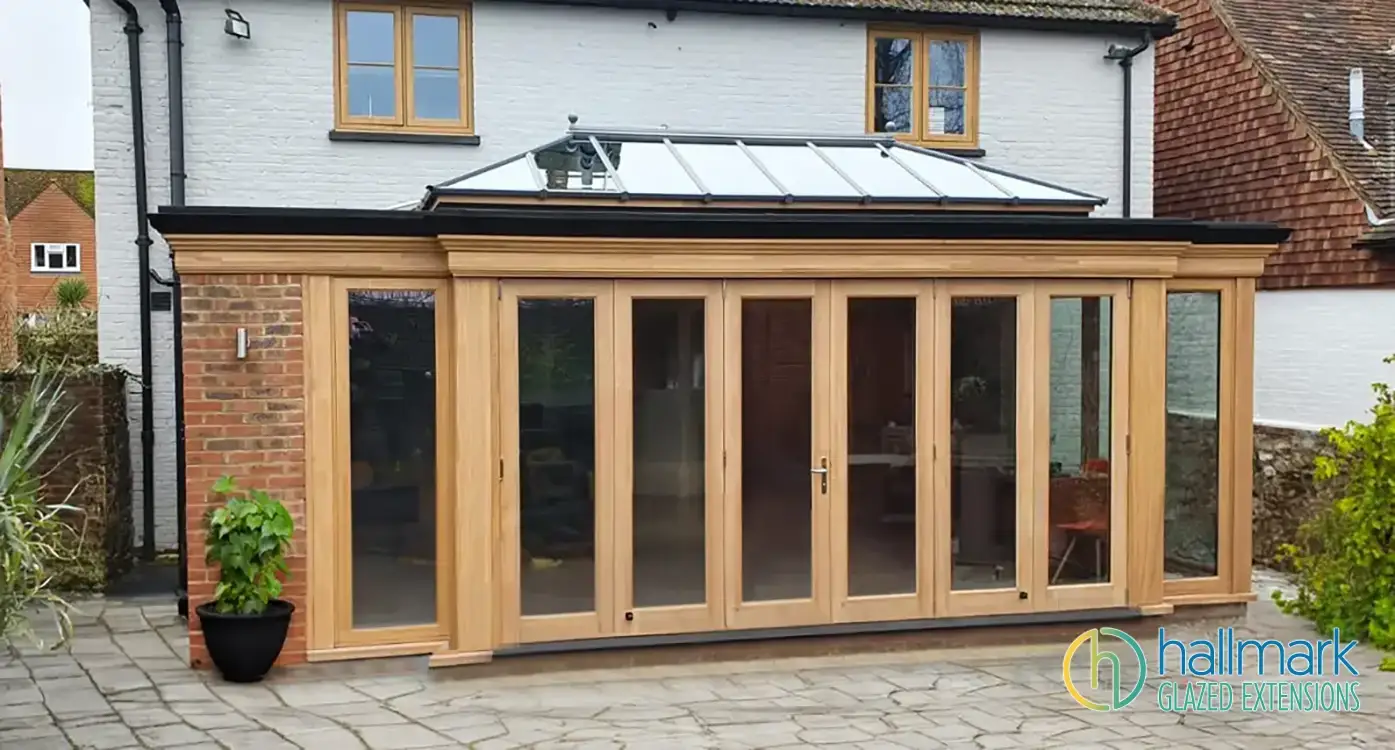
Despite most cost guides focusing on square metres, the length of the external perimeter walls has a greater impact on price.
Perimeter length directly affects:
- Foundations and excavation
- Structural walls and glazing
- Roof detailing, fascias, and drainage
A compact square extension is usually more cost-efficient than a long, narrow one of the same floor area. This is why two extensions of equal size can vary significantly in cost.
Conservatory costs in 2026
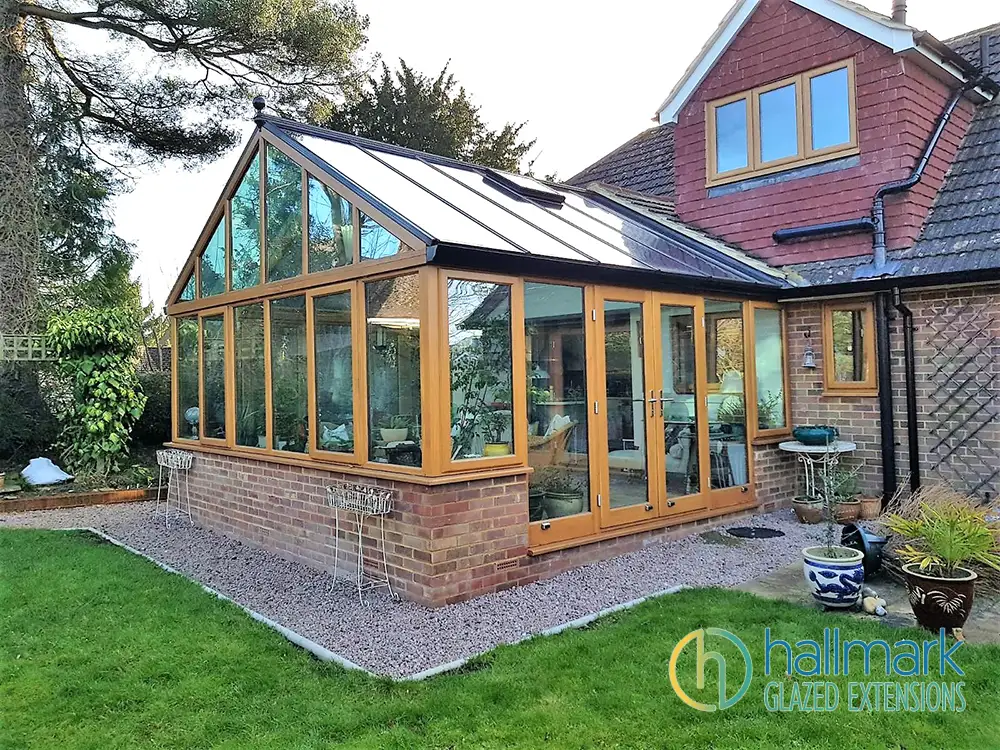
A modern conservatory should be comfortable all year round. That depends entirely on glazing specification, frame material, and roof design.
Typical starting costs for a 20m² compliant conservatory in 2026:
- White uPVC conservatory: from £48,000
- Aluminium conservatory: from £60,000
- Hardwood: from £80,000
These figures assume proper foundations, compliant glazing, insulation, and integration with the existing house. They do not include ultra-basic structures that fail to meet modern performance expectations.
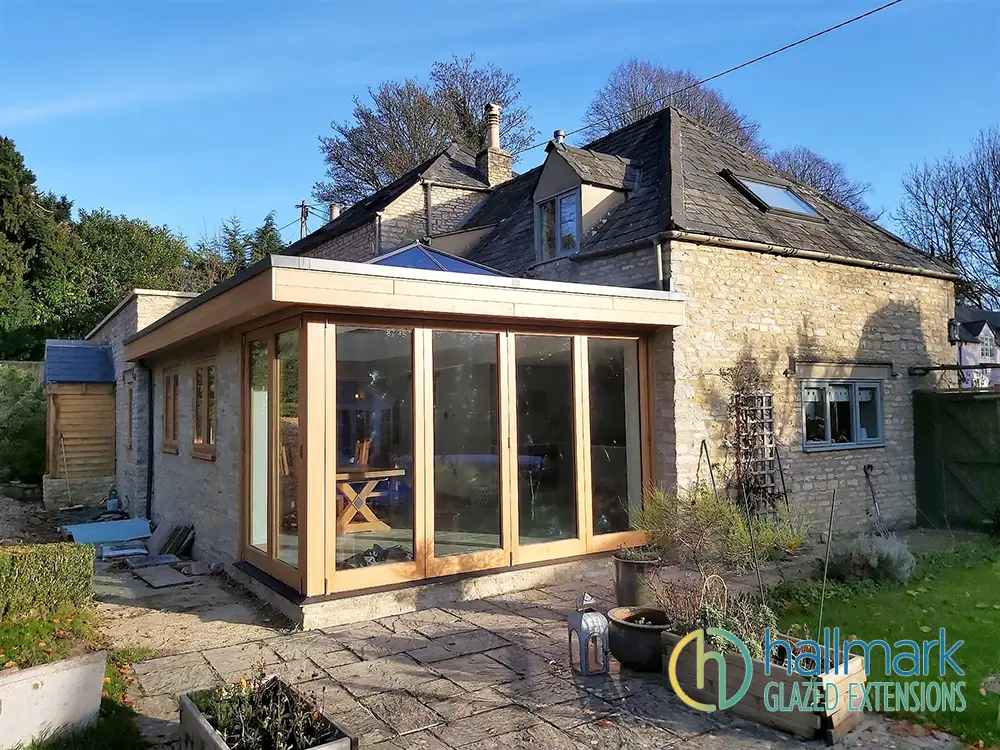
Orangery costs in 2026
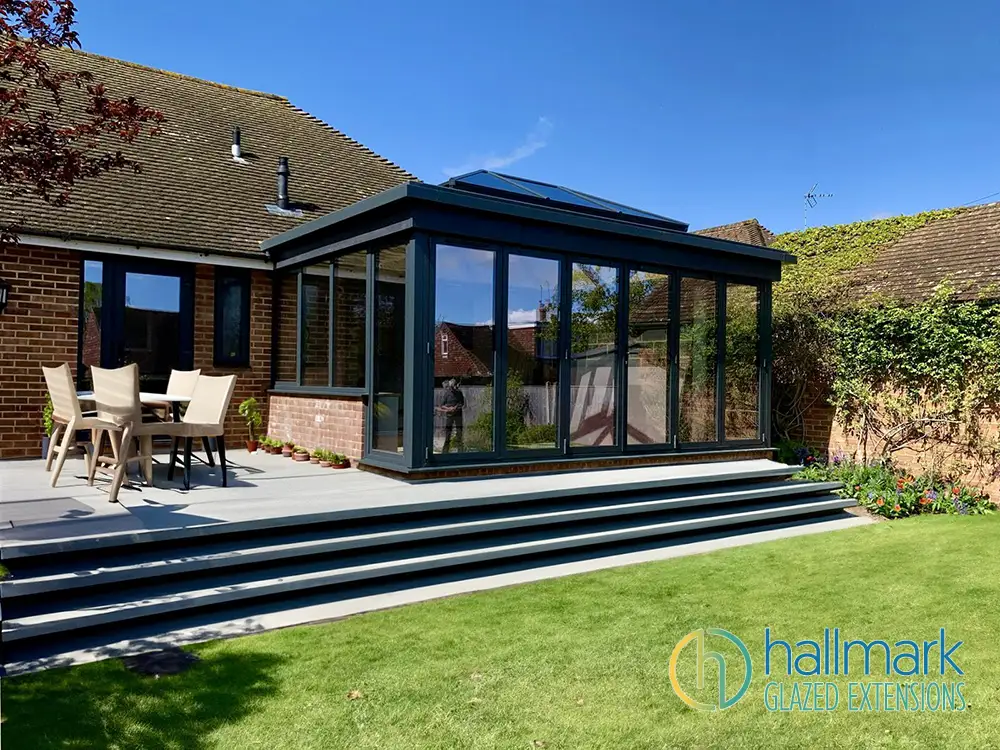
Orangeries typically include more masonry, structural detailing, and solid roof elements, giving them a more permanent feel and improved thermal performance.
Typical starting costs for a 20m² orangery in 2026:
- uPVC orangery: from £60,000
- Aluminium orangery: from £80,000
- Hardwood orangery: from £100,000
The increased cost reflects the additional structure and finish rather than just aesthetics.
What drives conservatory and orangery costs in 2026
Location and labour rates
Build costs vary across the UK. London and the South East can be up to 25 percent higher due to labour rates, access restrictions, and logistics. Checkatrade highlights how regional labour and material pricing significantly affects extension budgets.
Design complexity
Straightforward layouts are more cost-efficient. Large spans of glass, minimal sightlines, bespoke roof structures, steel requirements and complex junctions all increase engineering and fabrication costs.
Frame materials and glazing
uPVC, aluminium, seasoned oak and alternative hardwood frames all perform differently and are priced accordingly. Glazing specification is equally important. Solar-control, low-emissivity, and high-performance units increase upfront cost but dramatically improve comfort and energy efficiency.
Internal specification
Including kitchens, bathrooms, or utility spaces increases costs due to drainage, ventilation, and compliance requirements.
Planning permission and associated costs
Not all conservatories or orangeries require planning permission, but many do, particularly in conservation areas or where size limits are exceeded.
As of April 2025, the planning application fee for a householder extension in England is £598. When drawings, surveys, and mapping are included, total planning-related costs often exceed £1,600 plus VAT, depending on complexity.
Budgeting realistically for a glazed extension
A sensible budget should include:
- A fully itemised scope of works
- Clear allowances for frame finishes and glazing specification
- A contingency of 10 to 15 percent for unknown building work factors and design scope upgrades
- Defined responsibility for design concepts, planning and building regs application, frame and glazing installation, and associated building work coordination
Hallmark Glazed Extensions’ integrated design-to-installation approach helps avoid the common cost overruns that occur when responsibility is fragmented across multiple contractors.
Final thoughts on conservatory and orangery costs in 2026
Understanding conservatory and orangery costs 2026 is about more than headline figures. It is about understanding performance, compliance, and long-term usability.
A well-designed glazed extension should feel like a natural part of your home in every season, not a compromise space that only works part of the year.
If you are budgeting seriously or want clarity on what is achievable for your property, reviewing real client conservatory and orangery case studies is often the most helpful next step.
Contact Hallmark Glazed Extensions
If you would like a realistic cost discussion tailored to your home, location, and design goals, you can speak directly with the Hallmark Glazed Extensions' team.
Hallmark Glazed Extensions
Town House, Market Street
Hailsham, East Sussex BN27 2AE
Call: 01323 671007
Early conversations almost always save time, money, and frustration later in the process.
Frequently asked questions about conservatory and orangery costs in 2026
1. How much does a conservatory cost in the UK in 2026?
In 2026, a fully compliant conservatory designed for year-round use typically starts from around £48,000 for a 20m² space. Costs rise depending on frame material, glazing specification, roof design, and how the conservatory connects to the existing house.
2. How much does an orangery cost in 2026 compared to a conservatory?
Orangeries usually cost more than conservatories. In 2026, realistic starting prices are around £60,000 for a 20m² orangery, increasing with materials such as aluminium or hardwood and with higher levels of masonry and roof structure.
3. What is the average cost per square metre for a glazed extension in 2026?
Average conservatory and orangery costs in 2026 range from £2,400 to £3,600 per square metre plus VAT. Smaller extensions often cost more per square metre due to fixed build and design costs.
4. Why do smaller conservatories cost more per square metre?
Smaller glazed extensions still require foundations, planning, structural work, and services. Because these fixed costs are spread over fewer square metres, the cost per metre is higher than for larger extensions.
5. Is a conservatory cheaper than a traditional extension?
A basic conservatory may appear cheaper on paper, but a modern conservatory built to building regulations standards often costs similar to a traditional single-storey extension. This is due to high-performance glazing, bespoke frames, and insulation requirements.
6. What factors most affect conservatory and orangery costs in 2026?
The biggest cost factors are size, design complexity, frame material, glazing performance, location in the UK, and whether kitchens or bathrooms are included. Labour rates and site access can also significantly influence the final price.
7. Do conservatories and orangeries need planning permission?
Some conservatories and orangeries fall under permitted development, but many require planning permission, especially in conservation areas or where size limits are exceeded. In England, the planning application fee is £598, with additional costs for drawings and surveys.
8. Does VAT apply to conservatory and orangery builds?
Most glazed extensions are subject to VAT at 20 percent. In specific situations, such as properties that have been unoccupied for more than two years, a reduced rate may apply. This should always be confirmed before budgeting.
9. Is it cheaper to build a conservatory or orangery in winter?
Seasonal timing has less impact on overall cost than specification and design. While availability may vary, material pricing and labour costs remain largely consistent throughout the year.
10. How can I keep my conservatory or orangery within budget?
The best way to control costs is to agree a clear specification early, include a contingency of 10 to 15 percent, and work with a single specialist who manages design, planning, and construction. This reduces variations and unexpected extras later.
