
Any homeowner enjoys the excitement of creating a space that enhances their home, such as a glazed extension. Understanding Average Glazed Extension Build Costs involved is essential and empowers you to plan and budget for your project effectively.
One of the most frequent questions homeowners ask is, "What is the average build cost per square metre for a glazed extension?"
We have put this guide together because of the frustration caused by the amount of misinformation on the internet, with misleading information from self-proclaimed experts and information often up to 10 years outdated.
We have compiled this data as a combination of 45 years of experience, pricing work, and current information, which can be found on www.homebuilding.co.uk and www.checkatrade.com
This guide is designed to provide the necessary insights to accurately budget for your glazed extension project, giving you the confidence and security you need to embark on this exciting journey.
Please do read to the end, as you will see how the initial costs per sq.m. increases significantly when other factors are taken into consideration.
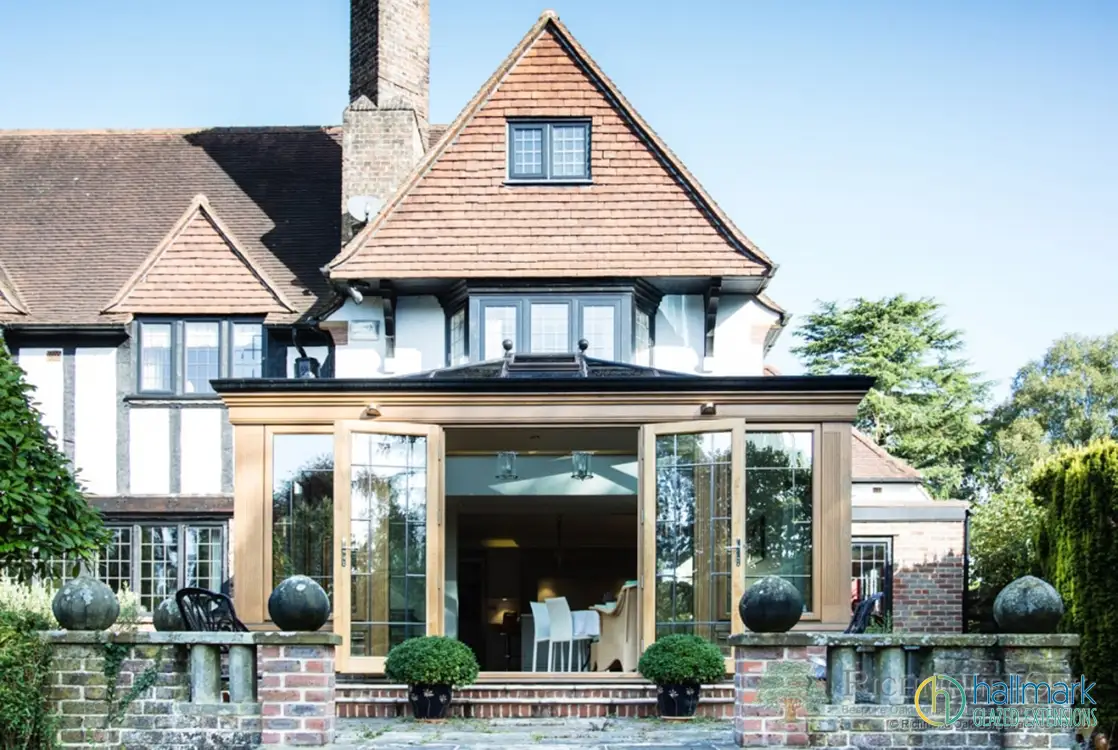
What Are Average Glazed Extension Build Costs Per m² in the UK in 2025?
The first error people make is that they believe a glazed extension, such as a conservatory or orangery, will cost less than a traditional build extension. This is not true.
A conventional build extension comprises standard materials from a builder’s merchant, usually with low-cost white uPVC windows. A quality conservatory, built to building regs standards, has all the same costs of the foundations, brickwork, plastering, flooring, electrics and heating, but has the extra cost of high specification, made-to-measure, frames and glazing.
The cost of a glazed extension can vary significantly depending on various factors such as location, design complexity, and materials used.
However, the average cost per square metre for a glazed extension in the UK typically falls between £2,200-£2,500/m² (plus VAT) for a basic build and up to £3,300/m² (plus VAT) for excellent quality.
This range is crucial to consider, as it will help you get a rough idea of what you might expect to pay based on the type of glazed extension you’re looking for. Do understand that smaller extensions often cost more per square metre due to fixed costs being spread over a smaller area.
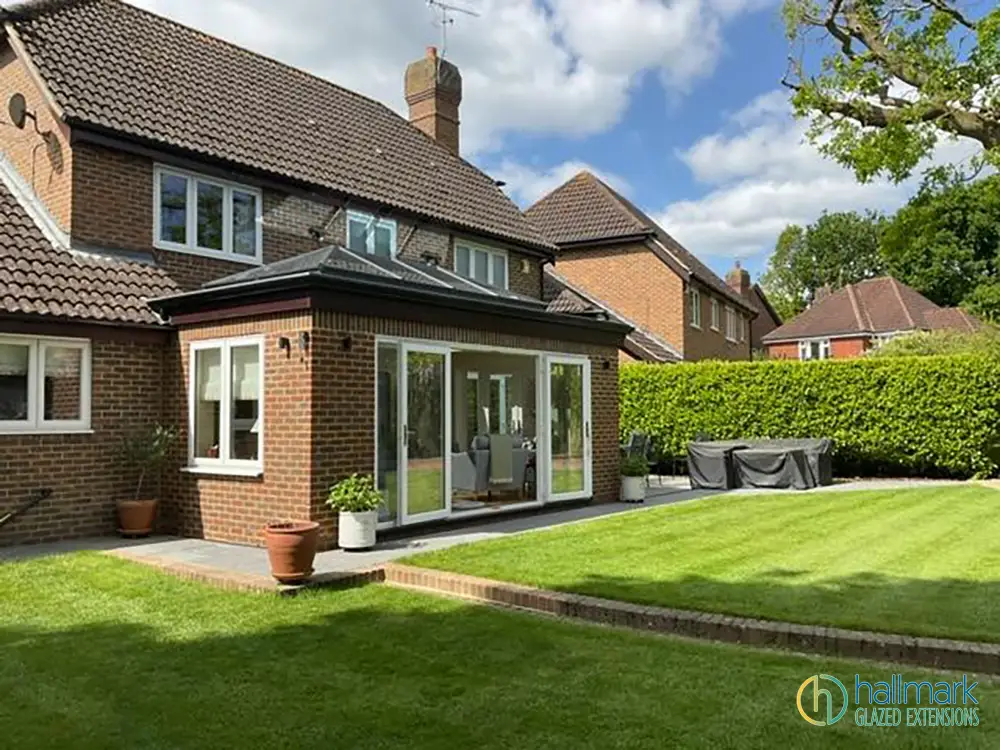
Do also bear in mind that the price will also fluctuate not only for the standard of build you opt for, but also the complexity of the design and depending on where you are in the UK.
Extensions which include a bathroom, WC & Shower or Kitchen will cost considerably more, not only for the units and appliances but also for the access to electrical, water & gas services and drainage.
In certain parts of the South of England and high-value areas of the UK, you could easily be paying at the higher end of this scale, particularly on smaller single-storey extension ideas.
Despite all references in the industry about sq.m. rates, the length of the perimeter walls has a more substantial impact on cost than the square meter budget. This is due to the concentration of foundations, walls, glazing, fascia, and gutters along the perimeter, which are the most significant cost factors.
These costs provide a general overview, but the cost of your specific project will depend on various factors, such as location, design, and the frame materials you choose.
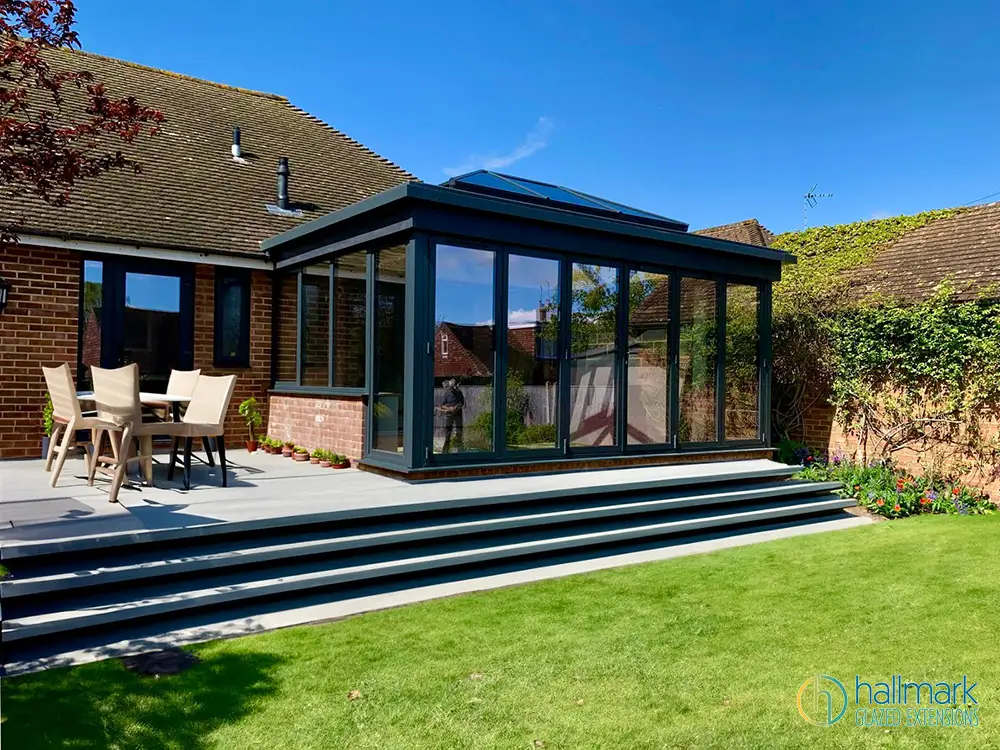
Factors That Affect Average Glazed Extension Build Costs
When estimating your glazed extension costs, it’s essential to consider that several factors will influence the final price. Here are some of the most significant factors to keep in mind:
1. Geographic Location and Building Work Rates:
The cost of building work for glazed extensions, including foundations, brickwork, steelwork, and essential trades like electricians and heating engineers, varies across the UK. Prices tend to be up to 25% higher in London and the South East compared to other regions, primarily due to increased material costs from builders' merchants and higher skilled labour rates.
In London, additional expenses such as parking fees, congestion charges, restricted site access, and the need for specialised equipment can further drive up costs. On the other hand, in less densely populated areas, local builders may offer more competitive pricing, potentially reducing the overall cost of your project.
2. Design Complexity:
The design of your glazed extension plays a critical role in determining the overall cost. Simple, straightforward designs tend to cost less, whereas more complex or bespoke designs, such as size, custom-shaped windows or more intricate roof structures, will increase costs. If your design incorporates luxurious features like high-end glass or premium finishes, expect an uptick in your budget.
3. Material Finishes:
The materials you choose for your extension’s structure and finishes can significantly affect the overall cost. For example, using high-quality seasoned oak or hardwood frames, high specification, energy-efficient glazing, or premium roofing materials can increase the price.
However, more budget-friendly options like uPVC frames or standard glazing will lower costs. To ensure a visually appealing, durable, high-performance extension that remains comfortable for year-round use, it’s essential to strike the right balance between affordability and quality.
Cost Comparisons for Glazed Extensions
Knowing your project's average build cost per square metre is a good starting point, but it’s just as important to understand the costs associated with different types of glazed extensions. Below, we’ll break down the costs for some of the most common types of glazed extensions.
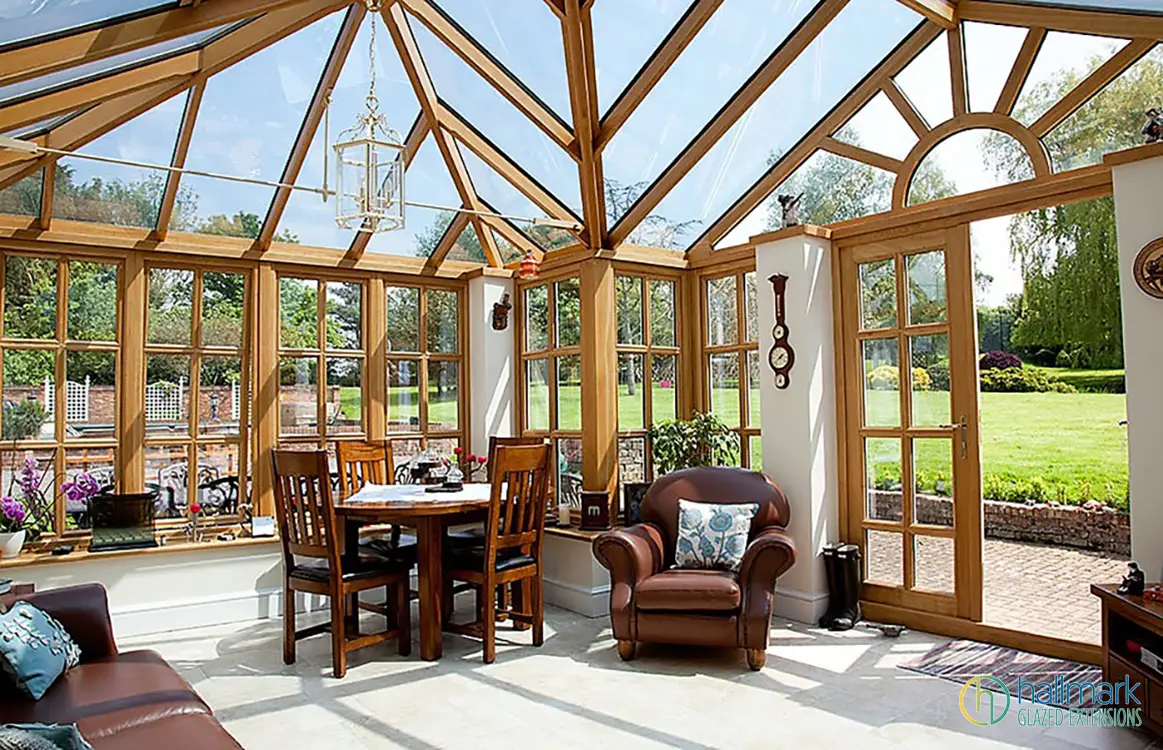
Conservatories:
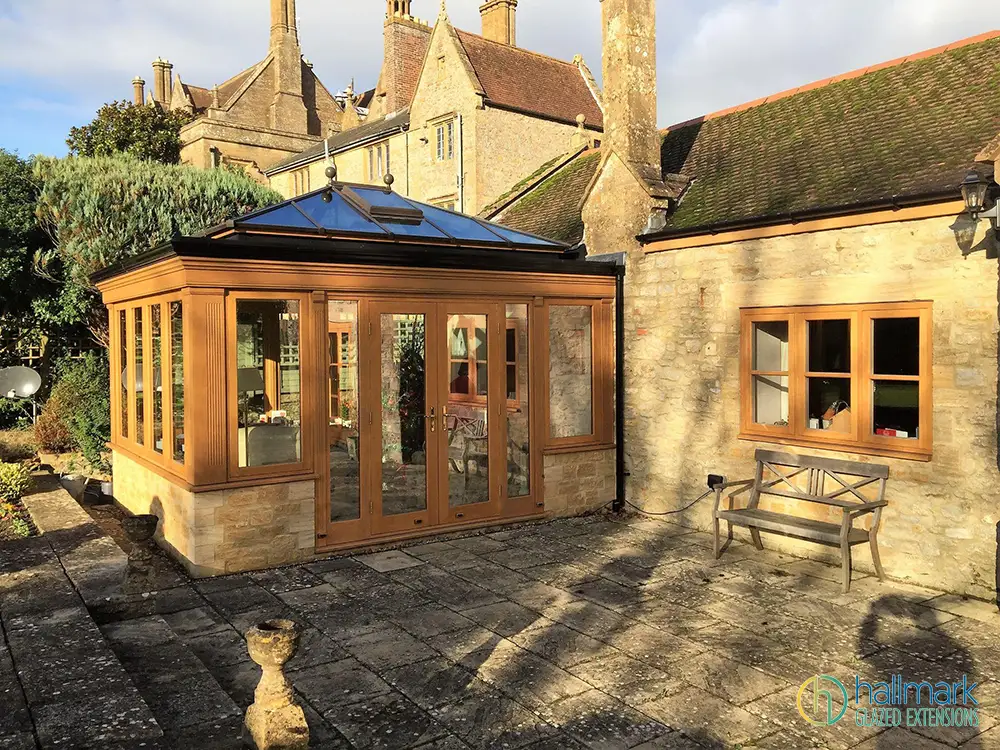
A conservatory is a great way to expand your home. It offers a bright, airy space to relax or entertain. Typically, conservatories are built with large areas of glass, allowing natural light to flood the room. They can range in complexity from simple structures to grand, bespoke designs. If the correct high specification of glass is used, it will be usable all year around and NOT too hot in the Summer or too cold in the Winter.
Orangeries:
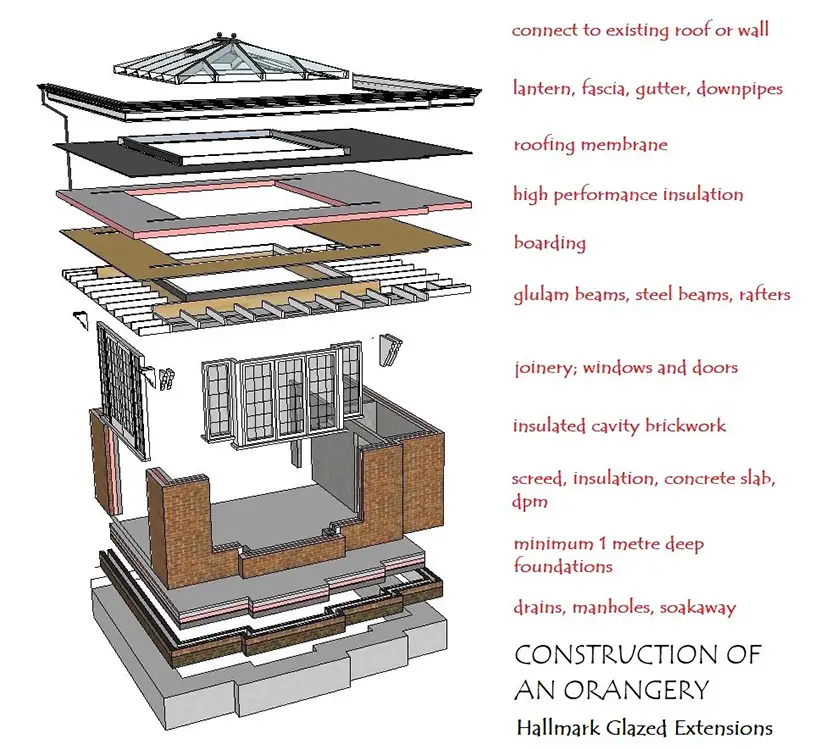
Orangeries combine the benefits of a traditional extension with the elegance of a glazed structure. Often incorporating more brickwork and large glazed areas, orangeries frequently provide a more substantial, permanent feel than conservatories. They are a fantastic option for adding beauty, functionality and a ‘Wow’ factor to your home.
Orangeries tend to be a bit more expensive than conservatories due to the additional brickwork, more complex roof construction and the higher specification of finishes, but they offer superior insulation and thermal performance.
Other Costs to Consider for Your Glazed Extension
Beyond the construction costs, there are several additional expenses that you’ll need to factor into your budget. Here’s a list of potential costs that can affect your overall project:
1. Architects and Engineers:
Hiring an architect and/or structural engineer to design your glazed extension can add a significant cost. These professionals will help bring your vision to life while ensuring that the extension complies with local building regulations and is structurally sound. Expect to allocate 5-10% of the total build cost for professional fees.
2. Project Management:
If you don’t plan on managing the project yourself, you will need a project manager to oversee the construction. A project manager will help ensure everything runs smoothly, coordinating the contractors, managing the budget, and adhering to deadlines. The cost for this service can range from 5-10% of the overall project cost.
3. Planning Permissions and Building Regulations:
Before starting your glazed extension, you might need planning permission to ensure the build complies with building regulations. The cost of applying for planning permission in England doubled in cost to £598 from the 1st April 2025, and to include survey, drawings, Ordnance Survey Site & Location Maps, will typically be at least £1,600+VAT, depending on the complexity of your building and the specifics of your project.
4. VAT and Other Taxes:
VAT is charged at the standard rate of 20% for most home improvements, including glazed extensions. However, in the unlikely event your project is zero-rated, VAT may not be applicable. Always consult with us to confirm the relevant VAT rates for your particular extension. If the property has been unoccupied for 2 years or more, the work may qualify for 5% VAT.
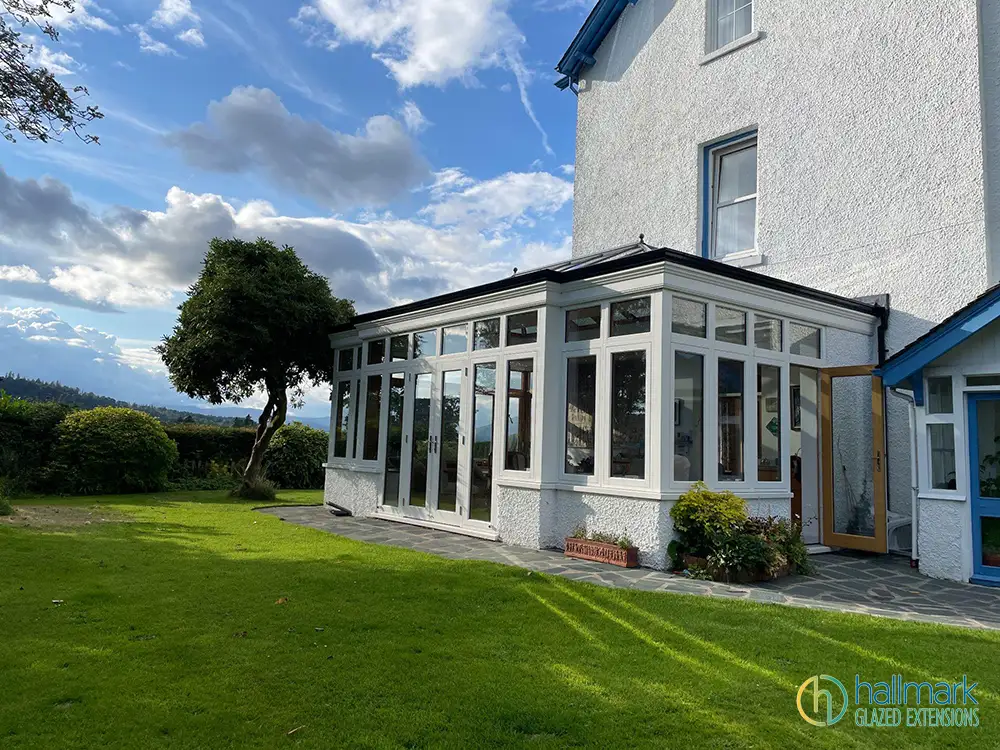
However, by engaging the services of a company such as Hallmark Glazed Extensions Ltd, we will work with you to create the design, create and cost the complete building work schedule, deal with planning, structural engineer, building control and manage the build process, all within our cost.
Expert Tips for Managing Glazed Extension Costs
To ensure that your glazed extension stays within budget and is completed to the highest standard, here are a few expert tips:
In Conclusion
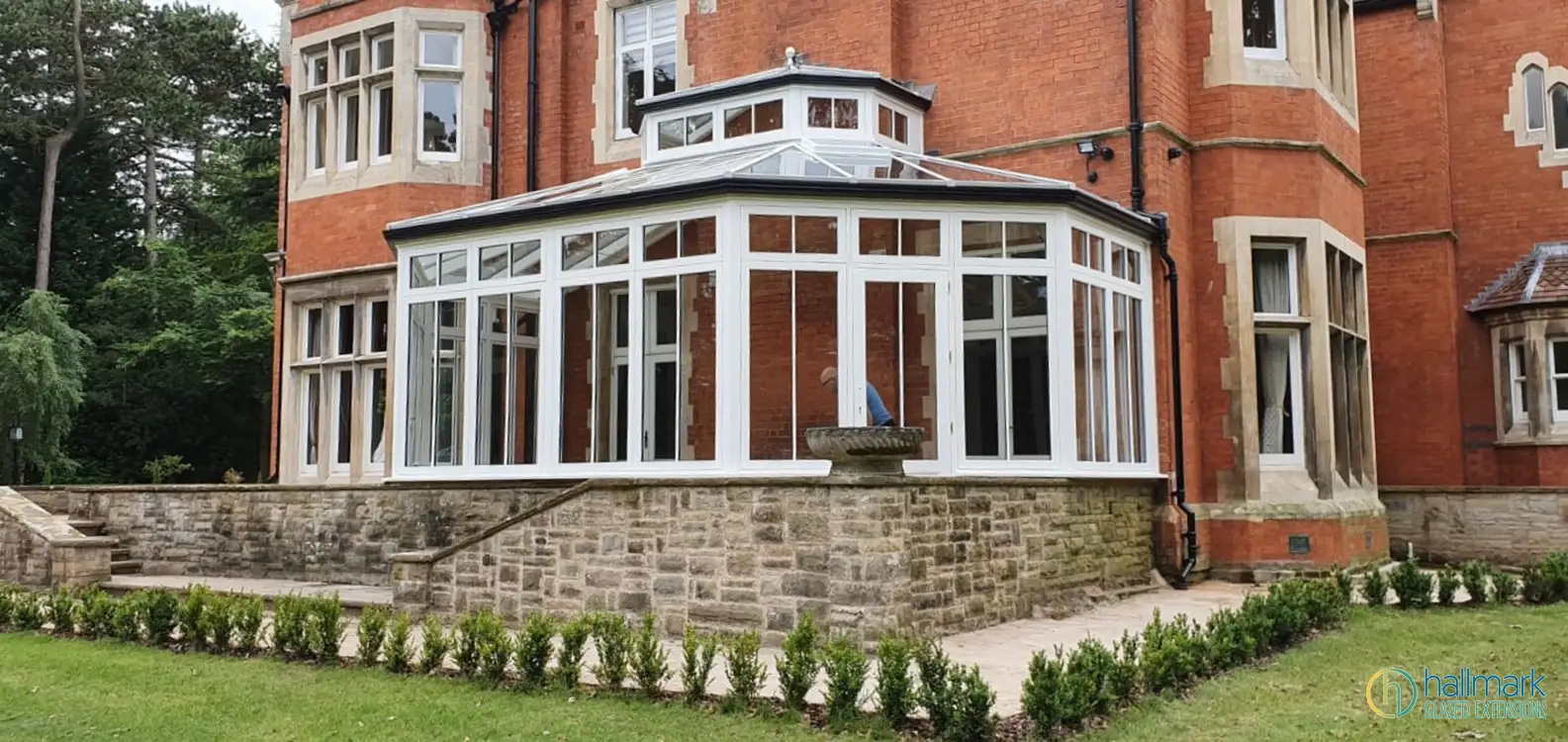
Understanding the average glazed extension build cost per square metre is fundamental when planning your extension project. By considering the factors influencing costs, such as location, design complexity, and quality of materials, you’ll be better equipped to estimate your total expenses and avoid unexpected financial strain.
At Hallmark Glazed Extensions, we design and build beautiful, bespoke glazed extensions.
Whether you’re looking for a bright conservatory, a functional orangery, or a modern extension to connect your living space with the outdoors, we can help bring your vision to life while keeping your budget in mind. With expert design, quality craftsmanship, and attention to detail, we can help you achieve your vision.
Contact us today for more detailed estimates and personalised quotes. Let us help you make your dream glazed extension a reality! Alternatively, learn more about our 3 step process from design to installation.
