
Choosing between a conservatory and an orangery is one of the most common decisions homeowners face when planning a glazed extension. With both offering extra space, natural light, and a closer connection to the garden, it’s no surprise that the question "Which is better, a conservatory or an orangery?" is searched hundreds of times every month in the UK.
The truth is that neither option is always better in every case. What matters is what you want from the space, how you plan to use it, and how it complements your home.
This blog will help you understand the differences, weigh up the pros and cons, and feel confident about choosing the right glazed extension for your property.
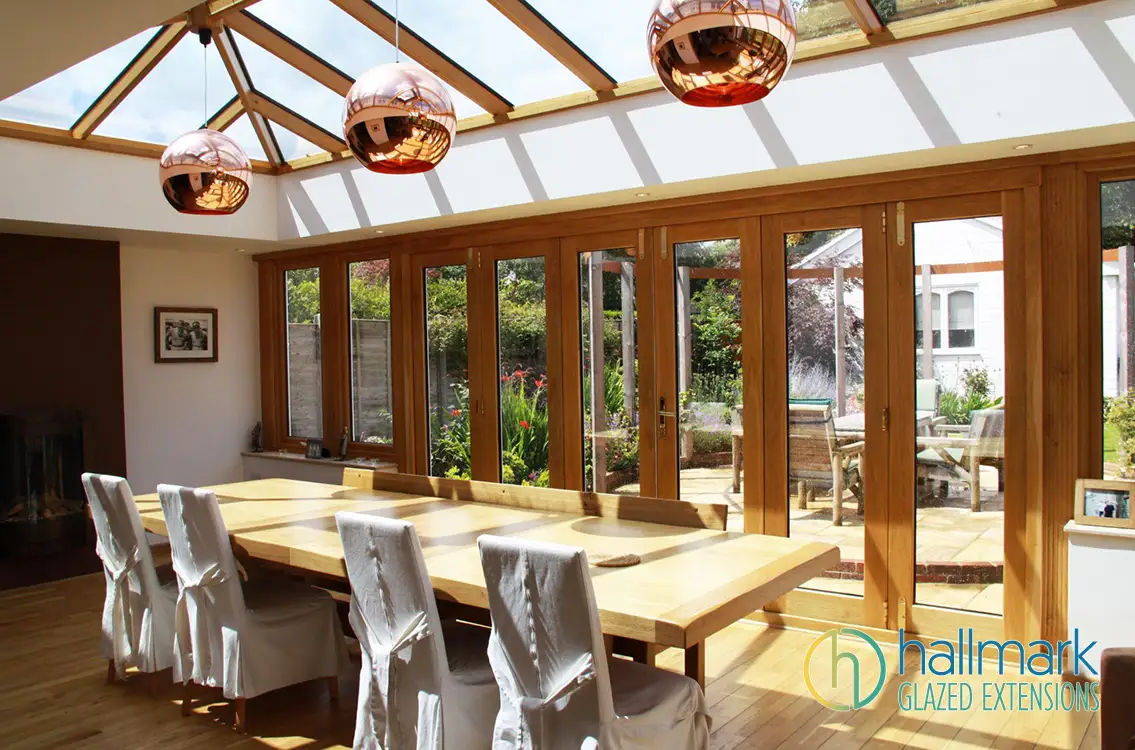
Key Differences Between Conservatories and Orangeries
While conservatories and orangeries often get grouped together, they are quite distinct in structure and feel.
Feature | Conservatory | Orangery |
|---|---|---|
Glazing | More than 75% of the roof is glazed | Less glazing, usually with a solid flat roof and lantern |
Walls | Largely glass, with minimal solid walling | More masonry, often full-height brick or blockwork |
Light Levels | Maximises natural light and garden views | Feels bright but more enclosed |
Insulation | Less insulated than orangeries | Better year-round temperature control |
Style | Light, airy, and garden-facing | Solid, architectural, and more private |
Cost | Generally more affordable | Usually more expensive due to the structural build |
What Is a Conservatory Best For?
Conservatories are ideal if you’re looking for a sun-filled space that visually connects your home to the garden. With expansive glazing and minimal walls, they flood with daylight and can feel almost like an indoor garden room.
Best for:
Garden lovers who want uninterrupted views
Homeowners seeking a quick and cost-effective space upgrade
Properties where planning permission or full building regs may not be required
Homes where space is tight and a lighter structure is better suited
Potential drawbacks:
Older and cheap styles can be prone to heat gain in summer and heat loss in winter without upgraded glazing and insulation
May feel too exposed for certain uses, such as home offices or dining spaces
Modern conservatory design can now overcome these limitations. By using solar control glass, advanced ventilation, and insulated bases, today’s conservatories are far more usable than those of the past.
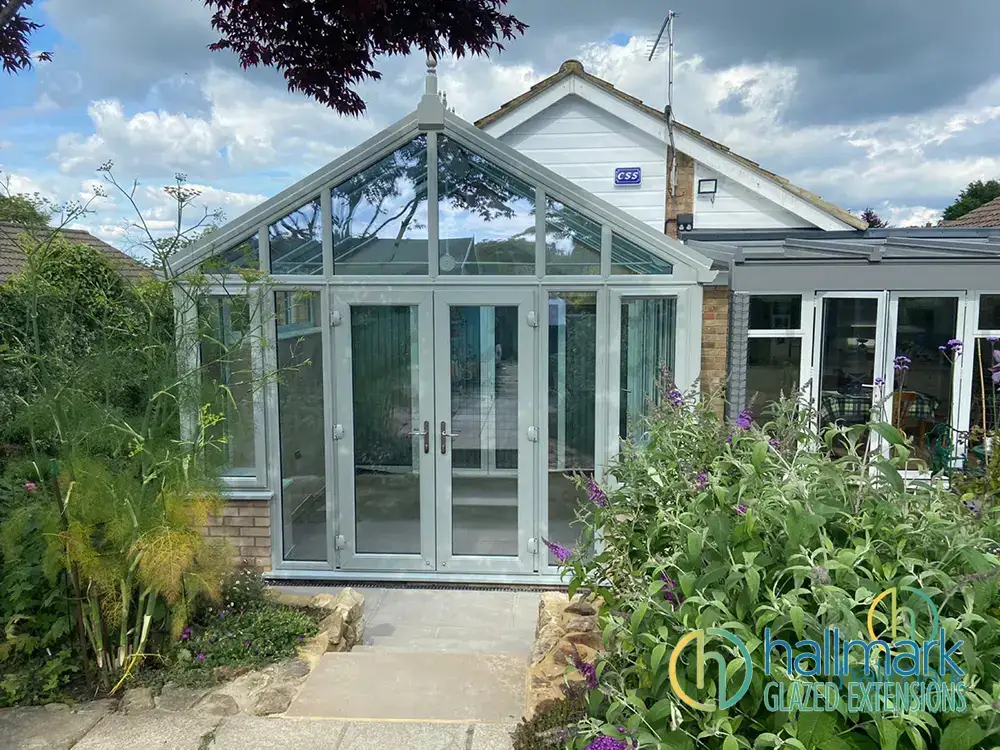
When Is an Orangery the Better Choice?
An orangery is a more substantial structure that often looks and feels like a true extension of the home. With a partially solid roof (often incorporating a roof lantern) and more brickwork, it offers greater insulation, privacy, and architectural presence.
Best for:
Year-round living spaces such as lounges, kitchens or open-plan extensions
Homes where maintaining a traditional appearance is important
Period or listed properties where full-glass extensions might not suit the style
Homeowners looking to add long-term value and a more permanent feel
Things to consider:
Generally higher cost and a longer build process
May require planning permission in some cases due to the structural design
Slightly reduced natural light compared to a fully glazed conservatory
An orangery provides a better blend of function and aesthetics if you’re looking for a space that feels like part of the main house, not an add-on.
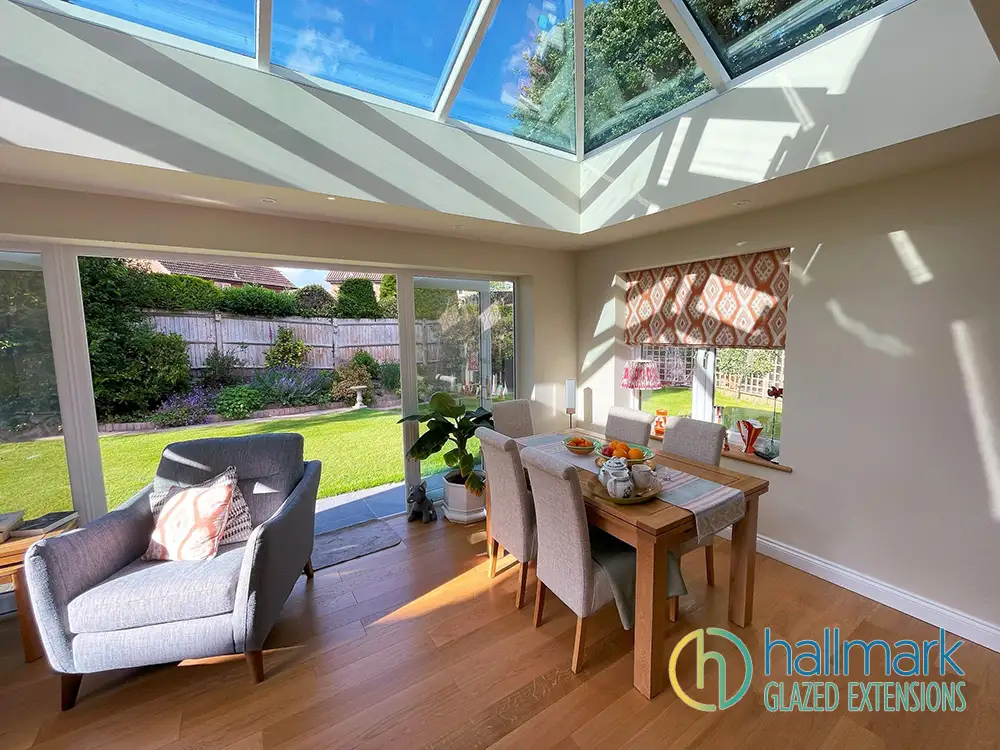
Energy Efficiency and Year-Round Comfort
If you’re weighing up orangery vs conservatory in terms of thermal performance, orangeries usually come out on top. Their solid roofs, full-height insulated walls, and integrated heating systems make them easier to regulate in all seasons.
Conservatories can be made more energy-efficient, but only when designed properly. That includes:
Low-emissivity or solar control glazing
Underfloor insulation and damp-proof membranes
Efficient heating systems and trickle ventilation
Roof upgrades such as hybrid or solid systems
At Hallmark Glazed Extensions, we design every structure to be usable 365 days a year, regardless of whether it’s a conservatory or orangery.
Does One Add More Value Than the Other?
People ask whether one option adds more value to their home. While every property is different, orangeries are often seen as the more permanent, higher-value investment. They offer a seamless transition from the main house, making them more appealing to buyers looking for integrated living space.
However, a well-designed conservatory that suits the property and is usable all year can also enhance value significantly, particularly where extra family space is in demand.
Planning Permission and Regulations
One of the key differences between conservatories and orangeries is the build complexity. Conservatories often fall within permitted development rules, particularly when situated at the rear of the house and within specified size limits. This makes them easier and faster to approve.
Orangeries, on the other hand, are more likely to require planning permission and full building regulations approval, due to their structural nature.
Hallmark Glazed Extensions provides full planning guidance and will handle all submissions and liaison with local authorities on your behalf.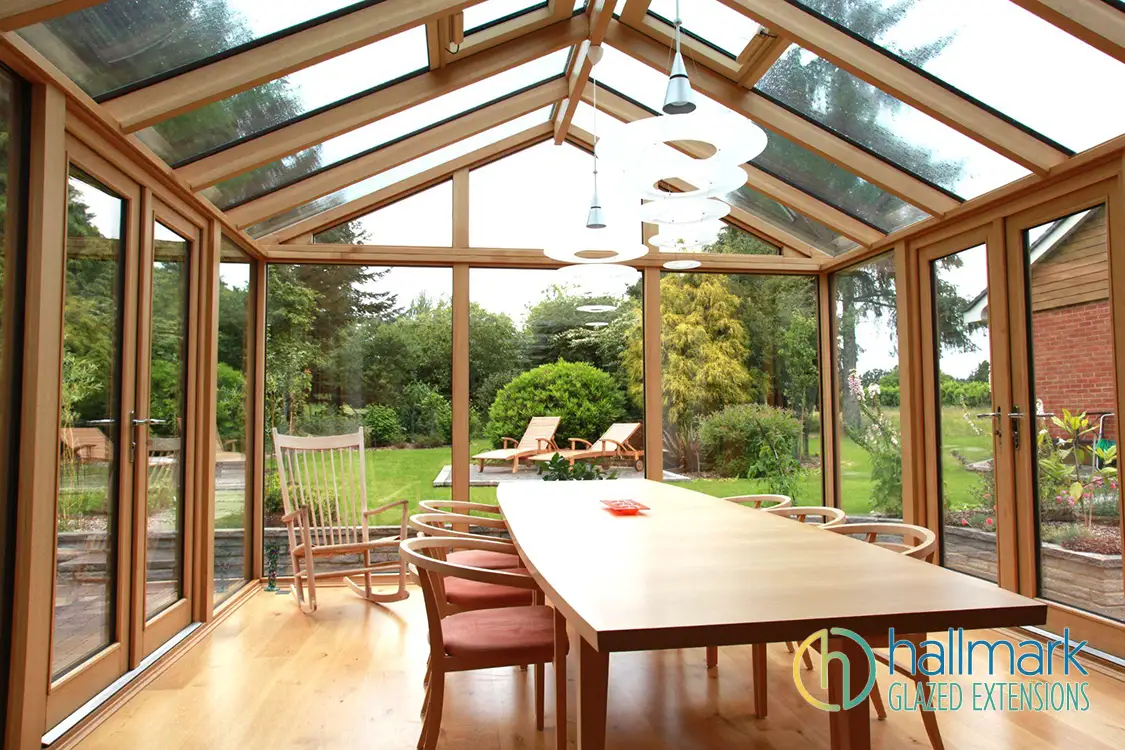
Which One Matches My Home Style?
When considering which glazed extension suits your home, architectural style matters.
Conservatories work well with:
New builds and modern homes
Semi-detached or terraced properties
Homes with direct garden access
Compact spaces where glass can maximise the sense of size
Orangeries are ideal for:
Period homes, farmhouses and heritage properties
Detached houses with space for a more substantial footprint
Projects where maintaining rooflines and materials is important
Clients who want a bold, integrated space that looks like it’s always been there
At Hallmark Glazed Extensions, we guide every client through a tailored design process to ensure the extension fits both their property and their lifestyle.
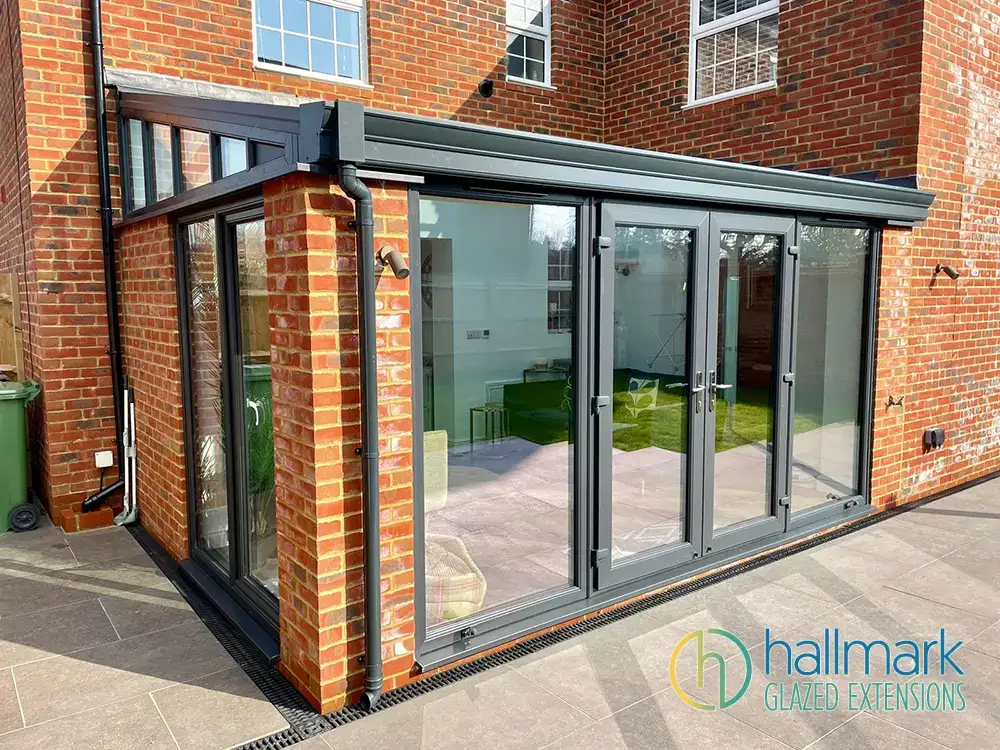
Choosing the Right Glazed Extension
If you’re still asking yourself “Which is better, a conservatory or an orangery?”, the answer lies in what matters most to you.
Choose a conservatory if:
You want light, views, and garden connection
Your budget or timeline is limited
You prefer an open, glass-led aesthetic
Choose an orangery if:
You need a solid, insulated space for all-year living
You want to enhance your home with a room that feels like a true extension
You’re investing in a long-term improvement that blends into your home
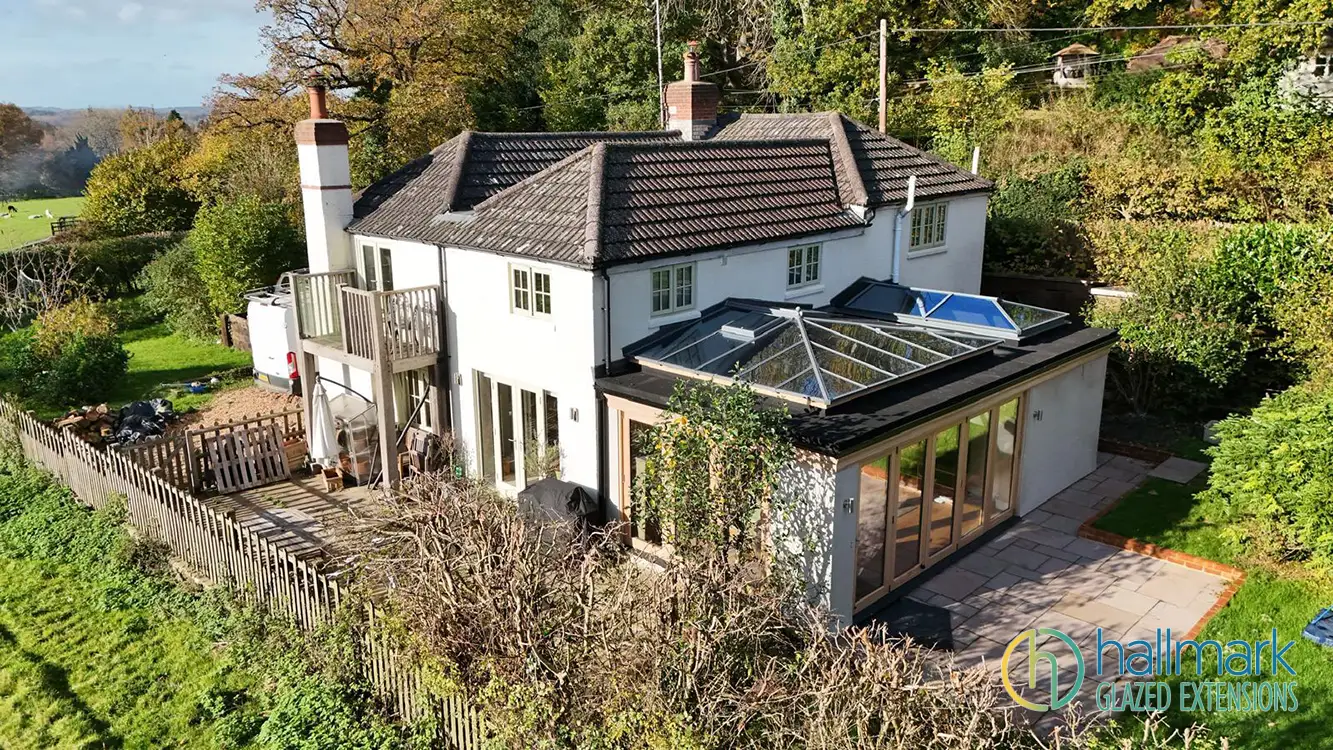
Real-Life Project Examples
At Hallmark Glazed Extensions, we’ve built both conservatories and orangeries across Sussex, Surrey, Kent and beyond. From contemporary aluminium-framed garden rooms to traditional oak orangeries on listed homes, we bring decades of experience to every design.
Explore real case studies & photos here:
Final Thought: There’s No Wrong Answer
Both conservatories and orangeries offer incredible benefits when built and designed with care. The key is choosing a company that will listen to your goals, assess your home properly, and deliver a glazed extension that truly works for you.
At Hallmark Glazed Extensions, we don’t just build spaces, we create rooms that transform the way you live.
Need Help Deciding?
We’ve helped hundreds of homeowners navigate the choice between conservatory and orangery. If you’d like expert advice tailored to your home and plans, we’re here to help.
 Book your free design consultation
 Call us on (01323) 671007
 https://hallmarkglazedextensions.co.uk/contact-us
FAQs
1. Which is better, a conservatory or an orangery?
There is no one-size-fits-all answer. The best choice depends on your home, lifestyle, and how you want to use the space. Conservatories are ideal for maximum light and garden views, while orangeries offer better insulation, privacy, and year-round comfort.
2. What are the main differences between an orangery and a conservatory?
Conservatories typically feature more glass in the roof and walls, offering a lighter, airier feel. Orangeries include more brickwork and a solid roof with a central roof lantern, giving them a more permanent, extension-like feel.
3. Which is more energy-efficient, a conservatory or an orangery?
Orangeries tend to be more energy-efficient due to their solid walls, insulated roof, and integrated heating. Conservatories can also be comfortable year-round if designed with energy-efficient glazing and insulation.
4. Does one option add more value to a home than the other?
Orangeries are often seen as the more valuable addition due to their structure and all-year usability. However, a well-designed, modern conservatory can also add significant value, especially when it enhances living space.
5. Do I need planning permission for a conservatory or orangery?
Many conservatories fall under permitted development. Orangeries are more likely to require planning permission due to their size and structure. Hallmark Glazed Extensions handles all permissions and planning processes as part of the full service.
6. Which option suits a period or listed property better?
An orangery usually works better with traditional or listed homes because of its architectural style and the ability to match brickwork and rooflines. Conservatories tend to suit more modern or compact homes.
7. Can I use a conservatory or orangery all year round?
Yes, but orangeries generally perform better in terms of temperature control. A conservatory can be made suitable for year-round use with the right glazing, insulation, and heating solutions.
8. What is the cost difference between a conservatory and an orangery?
Conservatories are typically more affordable due to simpler construction and lighter materials. Orangeries cost more as they include more structural work, brickwork, and insulation.
9. How do I decide which glazed extension is right for me?
Think about how you will use the space, your home’s style, your budget, and how much insulation or privacy you need. Hallmark Glazed Extensions’ design consultations are tailored to help you make the right choice for your property.
10. Can I see real examples of Hallmark Glazed Extensions conservatories and orangeries?
Yes. Visit the Hallmark Glazed Extensions case studies page to explore real case studies and photos from completed projects across the South East. Each one is designed to suit the client’s home, lifestyle, and long-term goals.


