
Many homeowners hesitate when considering a conservatory, fearing it will be too hot in summer or too cold in winter.
These concerns are valid, but modern advances in glazing and construction materials make it possible to enjoy a comfortable conservatory throughout the year.
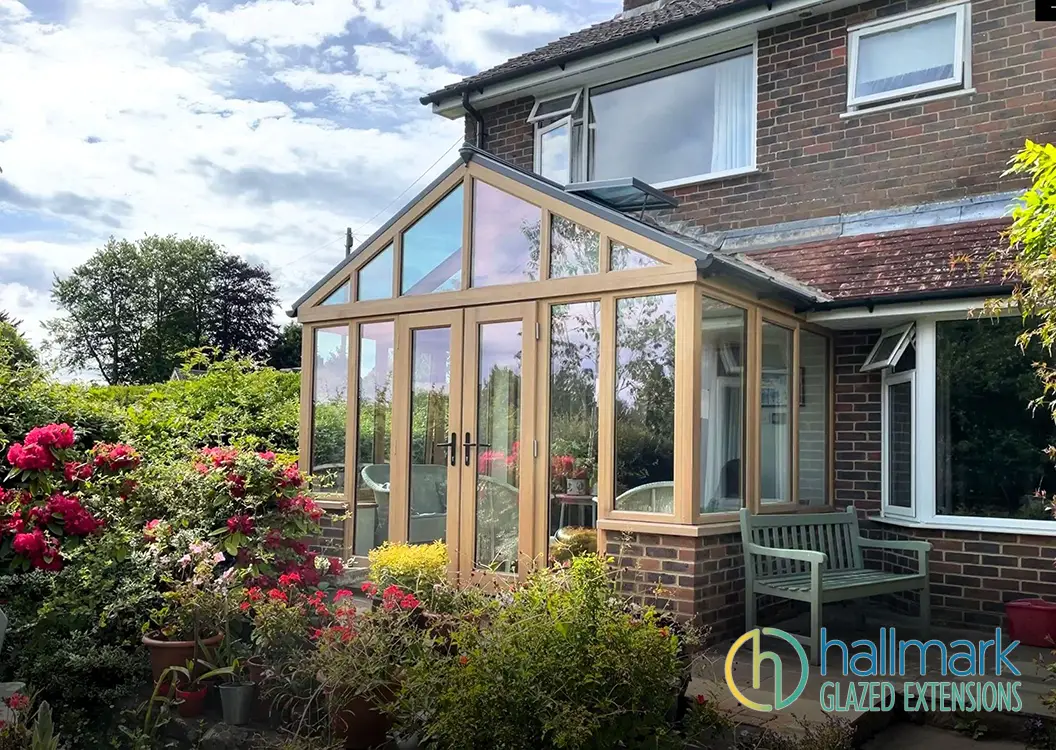
Energy-Efficient Conservatories
Conservatories used to be criticised for being inefficient, largely because they used outdated materials like polycarbonate roofs and single-pane glass.
Today, energy-efficient double-glazing and high-performance glass have drastically improved temperature regulation. Solar control glazing, which reflects heat away in summer and traps it in winter, is now standard in well-designed conservatories.
This ensures the space remains usable, even when outdoor temperatures fluctuate dramatically.

Why Natural Light Matters in a Conservatory
It is common to replace glass roofs with solid ones to manage heat, but this can compromise natural light.
Research from the British Safety Council has shown that exposure to natural light helps regulate sleep, boosts mood, and improves overall well-being.
It’s recommended that adults receive about 30 minutes of natural light exposure per day to maintain optimal health.
Keeping glass as a primary element in conservatories allows homeowners to enjoy these wellness benefits while still managing temperature through other means, such as solar control glass and strategic ventilation.
How Modern Glazing Solves Temperature Issues
Solar control glass has revolutionised conservatory design. This type of glazing can block up to 70% of the sun's heat, making it far more effective at controlling temperatures than standard glass.
The technology behind Low-Emissivity (Low-E) glass reflects harmful UV rays while retaining internal heat, ensuring comfort throughout the year.
According to The Glass and Glazing Federation, high-quality Low-E glass can cut energy bills by up to 20% when used across the home, making it an excellent choice for conservatories.
By installing modern glazing, homeowners can enjoy their conservatory year-round without worrying about excessive heat or cold.
The Importance of U-Values for Conservatory Glass
The U-value measures how effective a material is at insulating, with lower values indicating better insulation.
While older conservatories with single-pane glass may have U-values as high as 6.0, modern double glazing often achieves U-values between 1.2 and 1.4. Some high-performance options can even reach a U-value of 1.0, significantly reducing heat loss and energy consumption.
In 2013, the European Commission mandated that new buildings in the UK achieve specific U-value ratings to meet energy efficiency standards.
This has raised awareness of the importance of using suitable materials in home improvements, including conservatories.
Choosing Frame Materials for Style and Efficiency
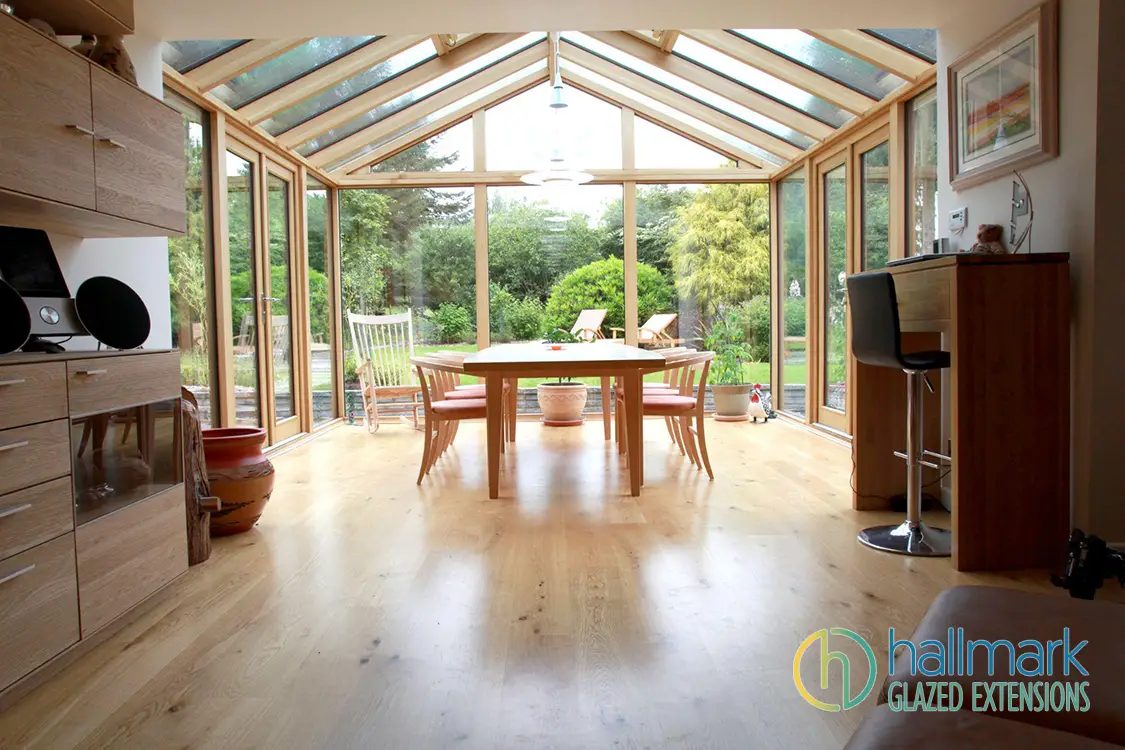
The material you choose for your conservatory’s frame is crucial in aesthetics and insulation. Some of the most popular options include:
Timber Frames: Known for their excellent thermal performance, timber frames like seasoned oak and sapele offer natural insulation properties. Timber is a sustainable option, and it can last for decades with proper treatment.
Aluminium Frames: Aluminium is highly durable and offers a sleek, modern look. It’s also maintenance-free, making it a popular choice. The thermal break technology now used in aluminium frames ensures they are much more energy efficient than older versions.
UPVC Frames: Affordable and efficient, UPVC is the most commonly used material for conservatory frames. Its multi-chamber design offers excellent thermal insulation and durability.
Each material has pros and cons, but modern construction standards ensure that all provide good levels of insulation and energy efficiency when combined with high-performance glazing
Ventilation: The Importance of Roof Vents
Adequate ventilation is vital in managing temperature, particularly in the summer. Roof vents can help expel hot air that rises within the conservatory. Automated ventilation systems that respond to internal temperatures and humidity levels enhance comfort, making the space more straightforward to control without manual adjustments.
According to the Building Research Establishment, automated systems can help reduce overheating by up to 30%, improving energy efficiency.
Making the Right Choice
To create an energy-efficient, comfortable conservatory, the right combination of modern glazing, frame materials, and ventilation must be considered. A well-designed space will be usable throughout the year without the common issues of being too hot or too cold.
Are you ready to enhance your home with a beautiful, energy-efficient conservatory designed for all seasons?
Whether you envision a bright summer room or a cosy winter retreat, investing in the right materials and design features will ensure you can enjoy your conservatory year-round.




