
Matching the conservatory to the house style

A conservatory is one of the most rewarding investments you can make in your home, but it needs to look like it belongs there. If you’re asking, "Can I match a conservatory to the style of my home?", the answer is yes.
But it’s not just about materials or rooflines. The right design brings together proportion, glazing, frame colour, and architectural sensitivity in a way that enhances your existing property, not competes with it.
At Hallmark Glazed Extensions, we specialise in matching the conservatory to the house style, whether you live in a modern new-build, a Victorian terrace, or a rural period property. From bespoke conservatory builds to aluminium-framed showpieces, we design extensions that feel like they’ve always been part of your home.
Why this question matters more than ever
Homeowners don’t just want extra space; they want consistency, beauty, and long-term value. And that starts with good design.
Adding a conservatory or orangery that clashes with your home's architecture can lower its appeal and potentially impact its value. That’s why bespoke design and an expert-led process are crucial. It’s not just about what looks good on paper; it’s about what fits your specific home, location, and lifestyle.

How do you actually match a conservatory to your home?
There’s no single “right” way to do it, but there are a few key elements that define success:
1. Start with architectural style and era
Your home’s age, layout, and detailing should guide every aspect of your conservatory design.
At Hallmark Glazed Extensions, we look at every home individually. We’ve designed bespoke conservatories that extend listed properties without breaking planning rules, and modern orangeries that blend seamlessly into homes built in the 2020s.

2. Frame material and colour: the unsung hero
Your choice of framing does more than hold the glass in place; it defines the visual tone of the structure. And when it comes to matching, aluminium frame colours give you the most flexibility.
Our most popular choice for blending old and new is a bespoke aluminium conservatory in a colour-matched powder-coated finish. It provides both durability and aesthetic control.

3. Choose a design that mirrors the shape of your home
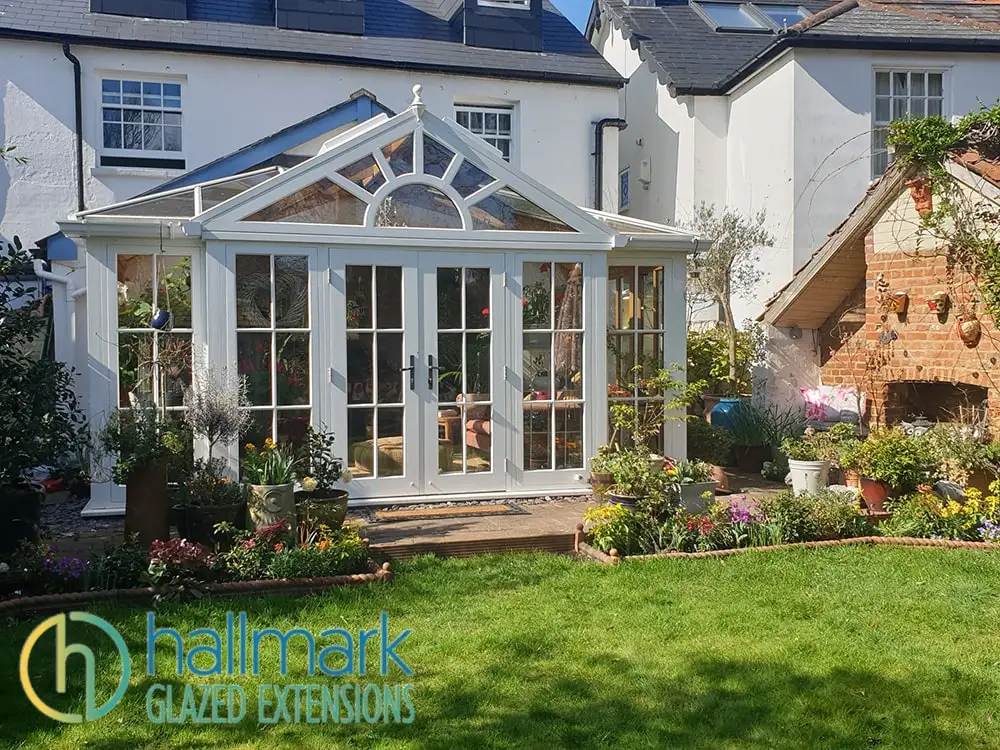
The shape and style of the conservatory should echo the lines of your property. This doesn’t mean it needs to be identical, but it should feel balanced.
Looking for ideas? See real-world examples here:

Conservatories
Hallmark Glazed Extensions offers expert design skills in creating bespoke conservatories. By combining gable, hipped, and lean-to roofs, we can craft nearly any L-shaped, T-shaped, or P-shaped design in PVC, aluminium, or painted hardwood.

Orangeries
With more homeowners choosing to improve rather than move, orangeries are growing in popularity—ideal as extra living space, a peaceful retreat, or a stylish dining area for entertaining guests. Hallmark Glazed Extensions brings decades of expertise...

4. Glazing decisions should reflect your surroundings
When matching a conservatory to the house style, don’t overlook the impact of glazing type and layout. Large uninterrupted panes look stunning on contemporary homes, but may jar against small-paned cottage windows. Grid detailing, proportions, and glazing bars can all be used to soften transitions.
Options to consider:
Explore glazing ideas at:
5. Think about your access and garden views
Traditional conservatories were often accessed through back doors, but today’s designs often integrate fully with open-plan kitchens and family rooms.
Planning to knock through a wall? Our team can liaise with your structural engineer to ensure seamless integration.

6. Understand planning rules when matching style
In most cases, adding a conservatory to the rear of a home does not require full planning permission. However, planning permission and style matching become more critical if:
In these cases, it’s vital to submit sympathetic designs that respect local context. Hallmark has experience working with planners and listed building officers across Sussex and beyond to ensure compliant, stylish outcomes.
View our recent articles covering topics related to Conservatories, Orangeries, Garden Rooms, Pergolas, Verandas, Oak Porches and Oak Garages. There's lots to learn when considering a new Glazed Extensions. Please get on touch and we'll happily answer your questions.
7. Use a bespoke conservatory design process, not a template
Off-the-shelf kits may be fast, but they won’t give you harmony or long-term value.
A bespoke conservatory is the only way to ensure the style, proportions, and finishes match your home. That includes:
We begin every project with a complimentary design consultation, utilising a combination of CAD visuals, material samples, and technical expertise to ensure it's exactly right.
Traditional vs Contemporary Conservatory: How Do You Choose?
The answer lies in your home and lifestyle. Here’s a simplified comparison:
Feature | Traditional Conservatory | Contemporary Conservatory |
|---|---|---|
Roof Style | Victorian, Edwardian, or gabled pitch | Minimalist glass roof |
Frame Material | Hardwood or uPVC | Slimline aluminium |
Window Detailing | Georgian bars, arched fanlights | Clean lines, large panes |
Ideal For | Period homes, country properties | Modern homes, open-plan layouts |
Glazing Style | Decorative or mixed-pane | Full-height or floor-to-ceiling glazing |
Integration with Home | Often retains some separation | Fully open-plan or knock-through layouts |
Still not sure which is right for you? We’ll guide you through the pros and cons in your free consultation.
Hallmark Glazed Extensions: Our Point of Difference
We don’t just build glazed rooms. We create architectural extensions that feel like they were always meant to be there.
What sets us apart:
From compact garden rooms to grand orangeries, every Hallmark Glazed Extensions conservatory is designed with one goal in mind: making your home better.
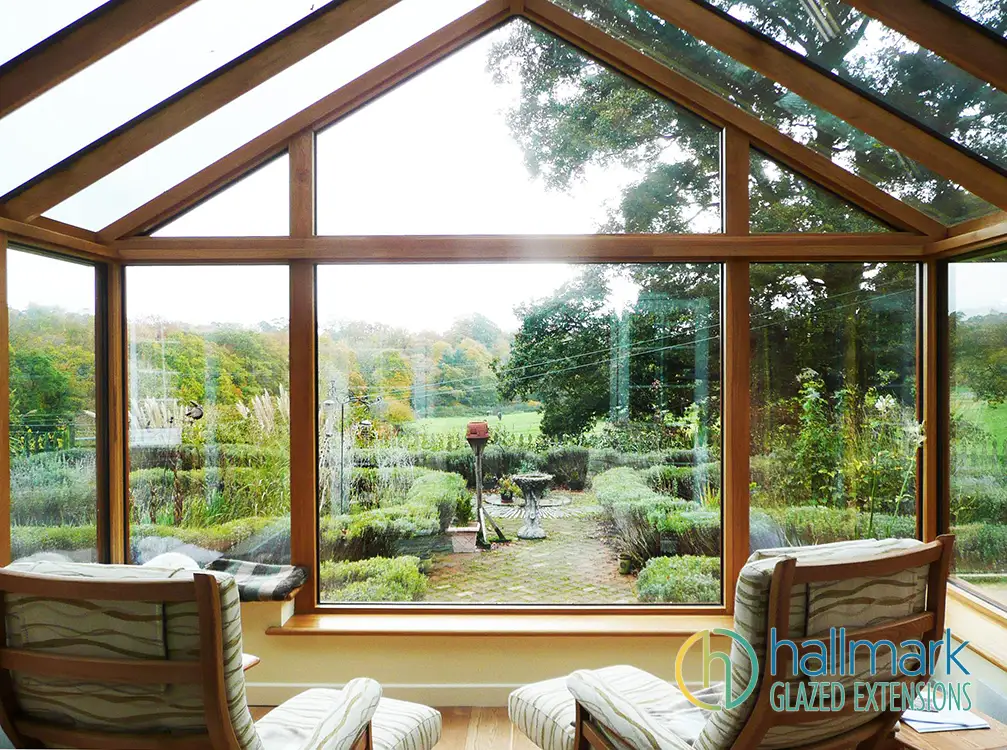
Ready to design a conservatory that truly matches your home?
Let’s make it happen. Whether you want something classic, cutting-edge or somewhere in between, our team will help you design an extension that enhances, not competes with, your home’s character.
 Call Hallmark Glazed Extensions on 01323 671007
 https://hallmarkglazedextensions.co.uk/contact-us/
 Book your free design consultation
We bring decades of design and build experience to homes across Sussex, the South East and beyond, always with the same focus: beauty, balance, and usability that lasts.
FAQs
1. Can I match a conservatory to the style of my home?
Yes, with expert design, your conservatory can reflect the architecture, materials and proportions of your existing home. Whether you live in a modern new-build, a Victorian terrace or a period cottage, bespoke conservatories can be tailored to feel like they’ve always been there.
2. What design features help a conservatory blend with my house?
Proportions, frame materials, glazing choices, roof pitch and colour all contribute to a successful match. The key is architectural sensitivity, not just copying, but complementing your home’s era, layout, and finish.
3. Which frame materials are best for matching to my home?
- Aluminium is strong, low-maintenance and available in almost any colour, ideal for modern and heritage homes alike.
- Oak or hardwood works beautifully with period or countryside properties.
- UPVC is cost-effective but less suited to projects where seamless visual integration is a priority.
4. How important is frame colour when matching styles?
Extremely. Colour sets the visual tone and defines whether the extension feels part of the home. Powder-coated aluminium in anthracite grey, black, sage green or bronze is one of the most flexible and popular options for creating architectural unity.
5. What conservatory shape suits my property type?
- Lean-to styles suit bungalows and semi-detached homes
- Edwardian and gabled conservatories work well with symmetrical layouts
- Victorian styles bring curves and period detailing to older properties
- Flat-roofed orangeries are ideal for open-plan kitchen extensions in contemporary homes
6. Will the glazing style affect how well the conservatory matches my house?
Yes. Glazing layout, grid patterns and detailing must suit your home’s character. Small-paned grid glass is best suited for cottages, while full-height glass panels and minimal detailing are more suitable for modern homes. You can also incorporate solar control or privacy glass, depending on the location and exposure.
7. How do access points and doors impact the overall match?
Door style, position and flow can make or break the integration. For a seamless feel, match French, sliding or bi-fold doors to the existing architecture and consider how they align with patios or garden features. Removing walls to create open-plan layouts is also increasingly popular.
8. Do planning rules affect how I match the conservatory to my house?
They can. Matching design is especially important for listed buildings, conservation areas, or homes in protected zones. In these cases, Hallmark Glazed Extensions' design team works closely with planning officers to ensure any extension respects the character of the property and complies with local guidance.
9. Is a bespoke conservatory better than an off-the-shelf option?
Absolutely. Only a bespoke build allows you to match roof pitch, materials, colour, and proportions. It also allows for continuity in glazing, sightlines and layout, all crucial for extensions that feel like a natural part of your home, not an add-on.
10. How do I choose between a traditional or contemporary conservatory design?
It depends on your home’s architecture and your lifestyle.
- Traditional conservatories are well-suited to period homes and often feature timber-look frames, Georgian bars, and pitched roofs.
- Contemporary designs favour aluminium frames, flat roofs, minimalist detailing and large glass panes, ideal for modern, open-plan living.
Hallmark Glazed Extensions can guide you through the pros and cons in your free consultation.
