The South East of England is renowned for its picturesque landscapes, from rolling hills to stunning coastal views. The region is home to several Areas of Outstanding Natural Beauty (AONBs) that offer breathtaking scenery, rich biodiversity, and opportunities for outdoor activities.

1. Kent Downs AONB
Location: Covering a large area of East Kent, the Kent Downs AONB stretches from the White Cliffs of Dover through to the Surrey border.
Key Features:
- Chalk Grasslands: The iconic chalk hills offer a unique habitat for wildflowers and butterflies.
- Woodlands: Ancient woodlands, such as Kings Wood, provide rich biodiversity.
- Historic Sites: Includes the historic city of Canterbury and Leeds Castle.
- Walking Trails: The North Downs Way National Trail offers panoramic views and peaceful walks.
Activities:
- Hiking: Explore the stunning landscapes via numerous footpaths and trails.
- Cycling: Enjoy cycling routes that wind through scenic countryside.
- Bird Watching: Rich habitats attract various bird species, making it a haven for bird watchers.
Learn More: Kent Downs AONB
2. Surrey Hills AONB
Location: Spanning a third of the county of Surrey, this AONB is known for its picturesque hills, woodlands, and open commons.
Key Features:
- Hills and Views: This includes Box Hill and Leith Hill, which offer some of the best views in the Southeast.
- Woodlands and Heathlands: Rich in biodiversity, featuring ancient woodlands and rare heathland habitats.
- Historic Villages: Quaint villages like Shere and Gomshall add to the area's charm.
- Heritage Sites: Polesden Lacey and Denbies Wine Estate are popular attractions.
Activities:
- Walking and Hiking: The Greensand Way and North Downs Way offer excellent hiking opportunities.
- Cycling: The Surrey Hills are a popular destination for cyclists, with challenging climbs and scenic routes.
- Horse Riding: Enjoy the beautiful landscapes on horseback along designated bridleways.
Learn More: Surrey Hills AONB
3. High Weald AONB
Location: The High Weald, covering parts of Kent, Sussex, and Surrey, is a medieval landscape of rolling hills and ancient woodlands.
Key Features:
- Ancient Woodlands: Home to one of the largest continuous areas of ancient woodland in England.
- Historic Landscapes: Features small farms, scattered settlements, and historic houses like Scotney Castle.
- Wildlife: Rich in wildlife, including deer, badgers, and a variety of bird species.
- Scenic Beauty: Rolling hills and picturesque valleys characterise the landscape.
Activities:
- Walking: Enjoy long-distance trails like the High Weald Landscape Trail.
- Nature Watching: Explore the rich biodiversity and spot native wildlife.
- Historic Tours: Visit historic towns like Rye and Tenterden for a taste of history.
Learn More: High Weald AONB
4. Chilterns AONB
Location: The Chilterns, stretching across Oxfordshire, Buckinghamshire, Hertfordshire, and Bedfordshire, are known for their chalk hills and rich biodiversity.
Key Features:
- Chalk Streams: Home to rare chalk streams, providing a unique habitat for aquatic life.
- Historic Sites: Includes landmarks like Hughenden Manor and the Hellfire Caves.
- Woodlands: Features ancient beech woods, offering stunning autumn displays.
- Scenic Villages: Charming villages such as Hambleden and Great Missenden dot the landscape.
Activities:
- Hiking: Explore trails like the Ridgeway National Trail and the Chiltern Way.
- Cycling: Enjoy scenic cycling routes through rolling hills and woodlands.
- Wildlife Watching: The Chilterns support diverse wildlife, including the rare red kite.
Learn More: Chilterns AONB
5. South Downs National Park
Location: The South Downs, Covering parts of Hampshire, West Sussex, and East Sussex, is both a national park and an AONB.
Key Features:
- Chalk Hills: Iconic chalk cliffs like Seven Sisters and Beachy Head.
- Downland Habitats: Rich in wildlife, including rare orchids and butterflies.
- Historic Sites: Includes ancient sites like Cissbury Ring and Arundel Castle.
- Vineyards: The South Downs is home to several award-winning vineyards.
Activities:
- Walking: The South Downs Way offers 100 miles of stunning views and diverse landscapes.
- Cycling: Explore on two wheels with well-marked cycling routes.
- Stargazing: Designated as a Dark Sky Reserve, offering exceptional night sky views.
Learn More: South Downs National Park

Dark Sky Reserves in the South East of England
Dark Sky Reserves are areas recognised for their exceptional quality of starry nights and nocturnal environments, making them perfect for stargazing and appreciating the wonders of the universe.
1. South Downs International Dark Sky Reserve
Location: Encompassing parts of Hampshire and Sussex within the South Downs National Park.
Key Features:
- Stargazing Events: Regular events and festivals celebrating the night sky.
- Protected Skies: Efforts to reduce light pollution, preserving the natural darkness.
- Educational Opportunities: Workshops and talks on astronomy and conservation.
Stargazing Spots:
- Butser Hill: Offers panoramic views of the night sky.
- Ditchling Beacon: A popular spot for amateur astronomers.
- Iping Common: Known for its clear skies and tranquillity.
Learn More: South Downs Dark Sky Reserve
2. Exmoor National Park International Dark Sky Reserve (Nearby South East)
Location: While not in the South East, Exmoor National Park is accessible and offers a dark sky reserve experience.
Key Features:
- Astronomy Festivals: Annual events celebrating the night skies.
- Star Trails: Excellent conditions for capturing stunning star trails and astrophotography.
- Community Involvement: Local efforts to maintain and protect the dark skies.
Stargazing Spots:
- Wimbleball Lake: Offers peaceful surroundings and excellent star views.
- Haddon Hill: Known for its elevated position and clear skies.
- Dunkery Beacon: The highest point in Exmoor, perfect for night sky observations.
Learn More: Exmoor Dark Sky Reserve

The South East of England is a treasure trove of natural beauty, offering a diverse range of landscapes that are perfect for exploration and enjoyment.
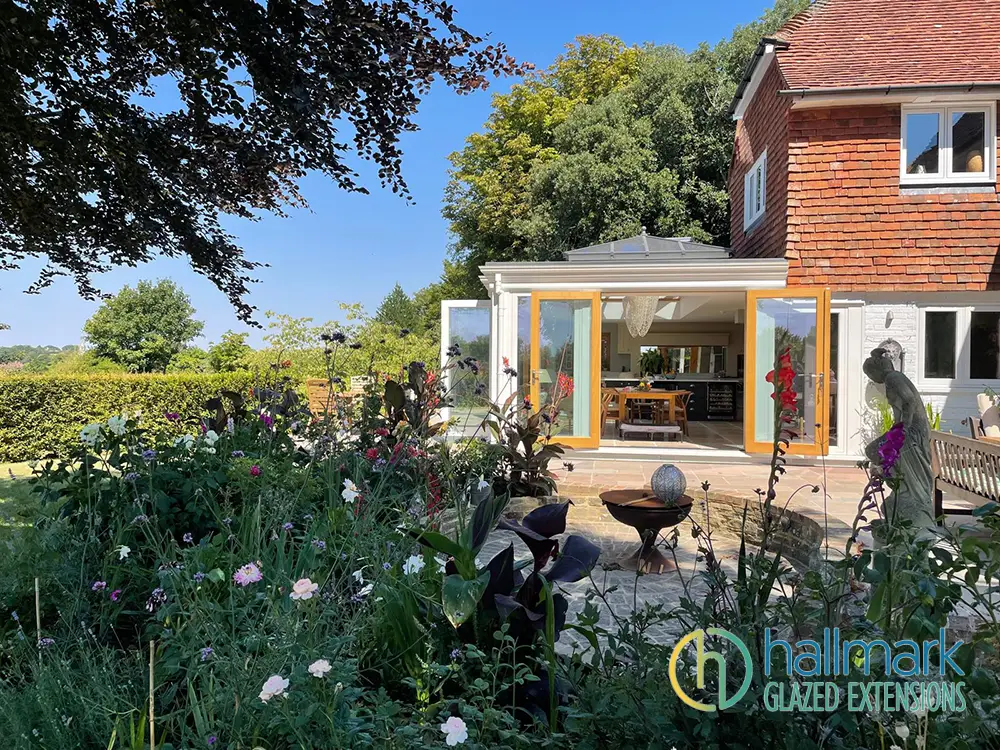
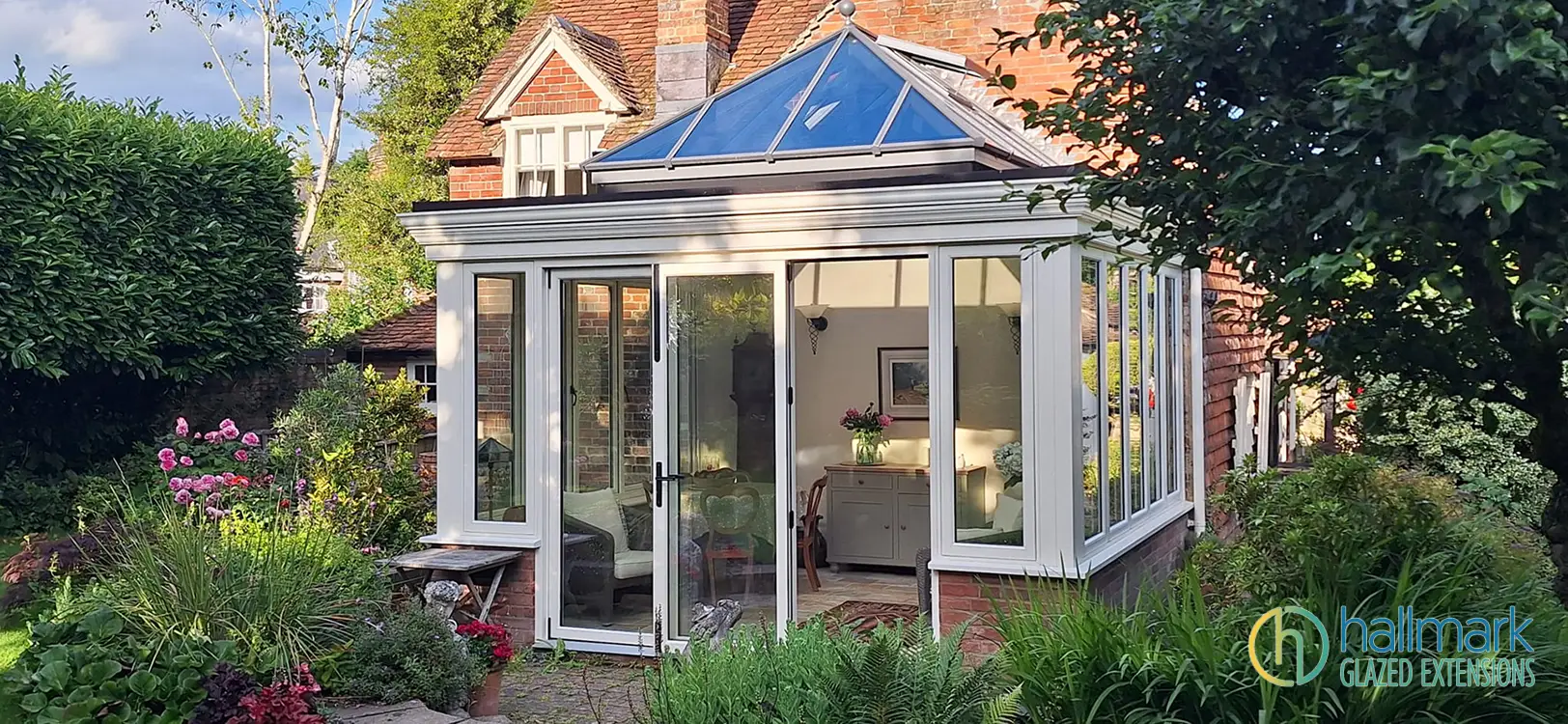
Creating an extension in the South East of England, especially within Areas of Outstanding Natural Beauty (AONBs) or conservation areas, requires careful consideration of planning regulations and sustainable practices.
As construction's environmental impact becomes increasingly significant, it is crucial to ensure that any new building work, particularly extensions like conservatories or orangeries, is conducted sustainably and in compliance with local planning and building regulations. This responsibility towards the environment is a key consideration in our work at Hallmark Glazed Extensions.
At Hallmark Glazed Extensions, we are committed to providing eco-friendly solutions that respect the natural beauty of our landscapes while enhancing the living spaces of our clients.
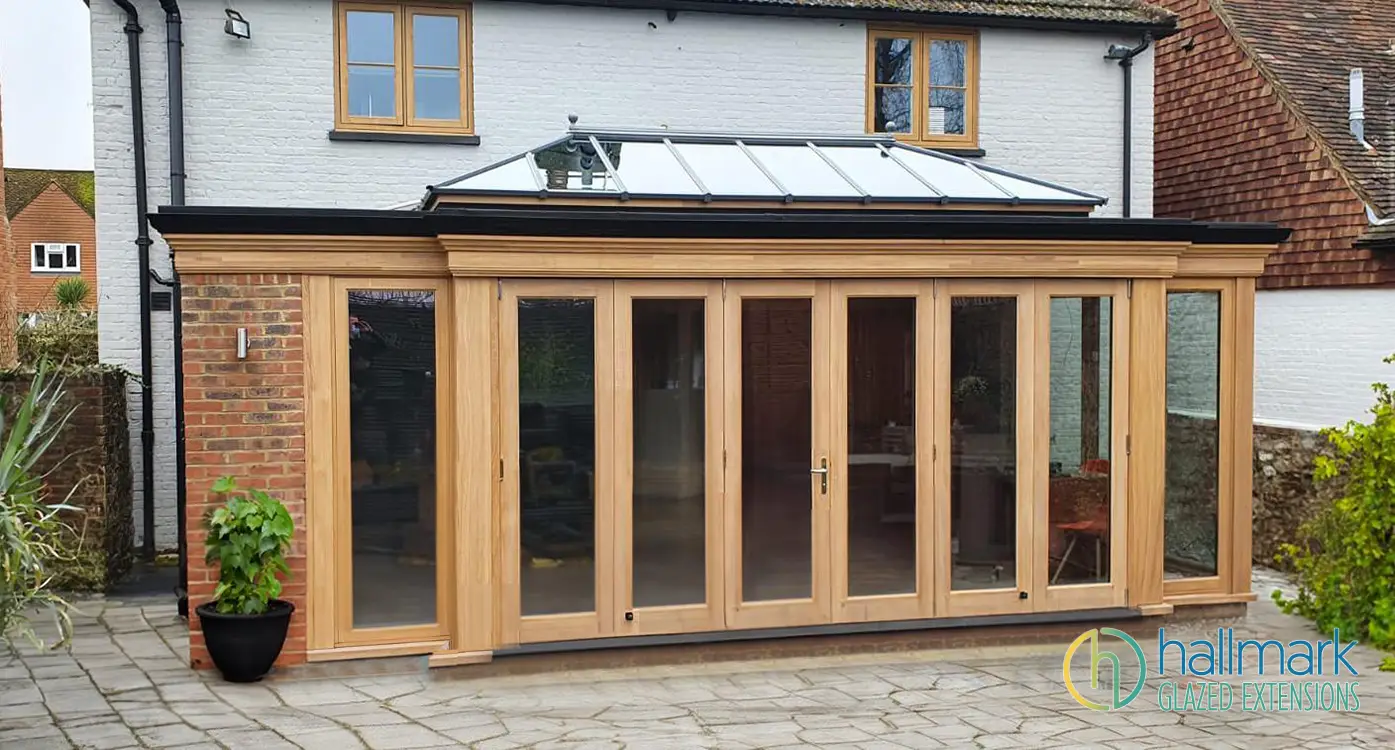
Here, we guide you through the specific requirements and considerations for constructing an oak-framed extension in these protected areas. This includes the process of obtaining planning permissions, understanding building regulations, and implementing sustainable building practices, providing valuable insights into the legal aspects of construction in these areas.
The Importance of Eco-Friendly Construction in 2024
Sustainability isn't just a trend; it's a responsibility. With climate change at the forefront of global challenges, adopting eco-friendly building practices is vital for preserving our planet's resources.
The construction industry, in particular, plays a crucial role in reducing environmental impact. By choosing sustainable materials and practices, we contribute to a greener future while creating beautiful, functional spaces for our clients.
At Hallmark Glazed Extensions, we prioritise using sustainably sourced oak and energy-efficient glass to minimise our carbon footprint.
Our designs enhance the beauty of your home and align with your commitment to sustainability.
Let's look at how you can extend your living space while respecting the environment and adhering to planning regulations in the South East of England's conservation areas and AONBs.

Understanding Conservation Areas and AONBs
What Are Conservation Areas?
Conservation areas are designated regions recognised for their special architectural or historical significance.
Established under the Civic Amenities Act 1967, these areas aim to preserve the character and appearance of notable environments.
Local authorities designate conservation areas to protect features that contribute to their unique charm, such as historic buildings, gardens, street furniture, and other local characteristics.
What Are Areas of Outstanding Natural Beauty (AONBs)?
Areas of Outstanding Natural Beauty (AONBs) are landscapes designated for their exceptional natural beauty. These areas are protected to preserve their unique character and ensure that future generations can enjoy them.
As mentioned above, the South East of England boasts several AONBs, including the Kent Downs, Surrey Hills, High Weald, Chilterns, and South Downs.
Planning Permissions and Regulations
Building in conservation areas and AONBs requires specific planning to maintain the character and beauty of these protected regions. Here’s what you need to know about planning permissions and building regulations for constructing an extension within these areas.
Planning Permissions
1. Determine if You Need Permission:
Planning permission is often required for extensions like conservatories and orangeries in conservation areas and AONBs. We can check with your local planning authority to determine if your project requires permission.
2. Conservation Area Consent:
Conservation area consent is separate from planning permission. It ensures that any alterations or extensions do not detract from the area's character. For guidance, we engage with your local authority's Planning or Conservation Officer.
3. Detailed Applications:
Planning applications in these areas usually need to be detailed, including location plans, elevations, and materials to be used. The aim is to provide a comprehensive overview of the project's impact on the surrounding environment.
4. Consultation with Local Authorities:
We consult with local planning officers early in the process. They can provide insights into specific requirements and restrictions, helping you design a project that aligns with local guidelines.
5. Environmental Impact:
We consider your project's environmental impact. To meet planning expectations, we use sustainable materials, minimise waste, and incorporate energy-efficient designs.
For detailed planning advice, visit Planning Portal - Conservation Areas.
Building Regulations
1. Compliance with Building Standards:
All extensions must comply with building regulations, ensuring structural integrity, safety, and energy efficiency. This includes considerations for insulation, ventilation, and structural safety.
2. Materials and Design:
The choice of materials and design is crucial in conservation areas. Opt for materials that complement the existing architecture, such as sustainably sourced oak for framing and natural stone for foundations.
3. Energy Efficiency:
Implement energy-efficient solutions, such as double glazing and solar control glass, to enhance the extension's sustainability. This will not only meet regulatory requirements but also reduce your home's energy consumption.
4. Safety Measures:
Ensure that your extension meets all safety standards, including fire safety, electrical installations, and accessibility.
For more information on building regulations, visit GOV.UK Building Regulations.

Sustainable Building Practices
At Hallmark Glazed Extensions, sustainability is at the heart of our design philosophy. Here’s how we incorporate eco-friendly practices into our projects:
Sustainable Materials
1. Oak Framing:
We use FSC-certified seasoned oak from responsibly managed European forests, ensuring that our materials are sustainably sourced and of the highest quality. Oak's natural durability and beauty make it an ideal choice for eco-friendly construction.
2. Energy-Efficient Glass:
Our extensions feature advanced glazing solutions, such as Ambi-Sunshade Blue and Ambi-Clear solar control glass. These options provide excellent insulation, reducing energy consumption and maintaining comfortable indoor temperatures year-round.
3. Recycled Materials:
Whenever possible, we incorporate recycled materials into our projects to minimise waste and promote a circular economy.
Design Considerations
1. Harmony with Nature:
Design your extension to blend seamlessly with the natural surroundings. Use natural colours and materials that complement the landscape, enhancing the beauty of your home without detracting from the area's character.
2. Biodiversity-Friendly Landscaping:
Incorporate native plants and wildlife-friendly features into your garden design. This will support local biodiversity and create a harmonious connection between your indoor and outdoor spaces.
3. Energy-Efficient Features:
Incorporate energy-efficient features, such as LED lighting and smart home systems, to reduce energy consumption and enhance your home's sustainability.

Challenges and Considerations
Building an extension in conservation areas and AONBs presents unique challenges. Here are some considerations to keep in mind:
Design Restrictions
Local authorities often impose design restrictions to maintain the area's character. Be prepared to adapt your design to meet these requirements, prioritising materials and styles that complement the existing architecture.
Community Engagement
Engage with the local community and stakeholders during the planning process. Understanding the needs and concerns of the community can lead to more successful project outcomes.
Long-Term Impact
Consider the long-term impact of your extension on the environment. By choosing sustainable materials and designs, you contribute to the preservation of the area's natural beauty for future generations.
Building Responsibly in Protected Areas
Constructing an extension in conservation areas or AONBs requires a thoughtful approach that balances functionality, aesthetics, and sustainability.
By adhering to planning permissions, building regulations, and sustainable building practices, you can create a beautiful, eco-friendly extension that enhances your home while respecting the natural landscape.
At Hallmark Glazed Extensions, we are dedicated to providing sustainable solutions that meet the unique challenges of building in these protected areas.
Our commitment to quality, sustainability, and customer satisfaction ensures that your project aligns with your values and contributes to a greener future.
Ready to Transform Your Space?
If you're considering an oak-framed extension in a conservation area or AONB, Hallmark Glazed Extensions is here to guide you through the process.
Contact us today for a free design consultation and discover how our bespoke solutions can elevate your living space while preserving the environment.