
If you're considering enhancing your home with an oak-framed conservatory or orangery, you're likely captivated by their beauty and the rich history they bring to your property.
Oak structures are undoubtedly stunning, durable, and luxurious, adding character and considerable value to your property.

However, we also understand that oak may not fit everyone's budget—and that’s okay! There are fantastic alternatives available that can still deliver outstanding results, ensuring you can make a choice that's both stylish and affordable.
In this article, we'll explore everything you need to know about oak-framed conservatories and orangeries, from why they're popular, what influences their cost, and importantly, affordable yet stylish alternatives if your budget doesn’t stretch quite far enough.
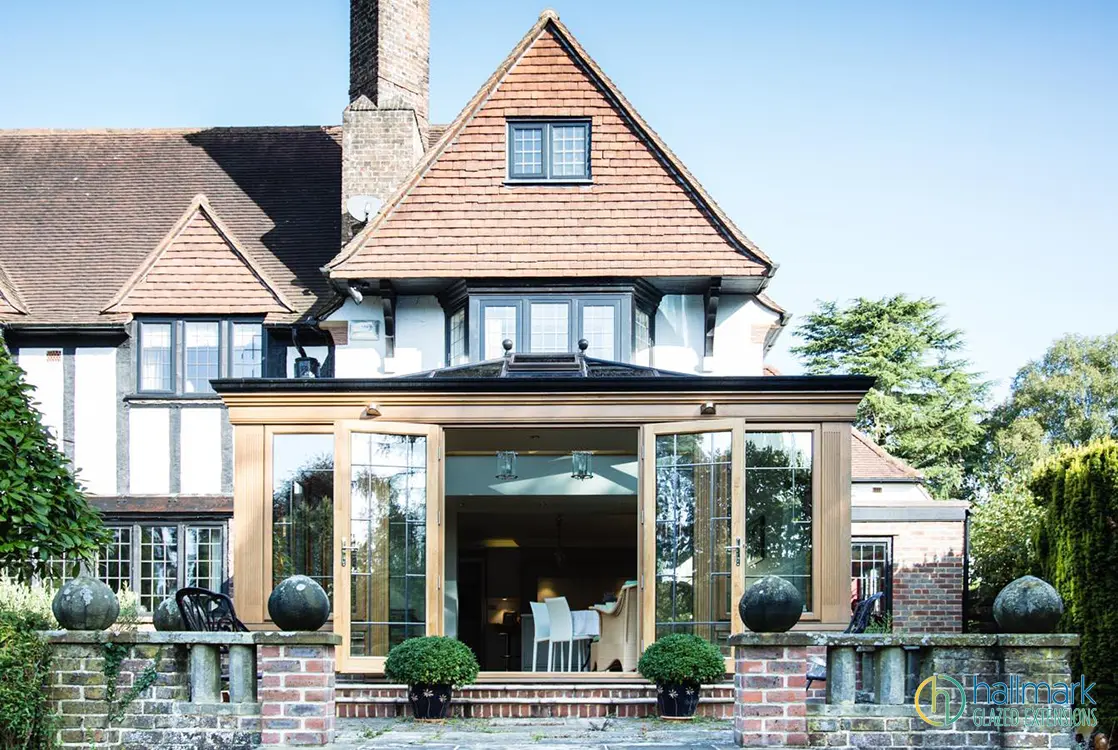
Why Choose an Oak-Framed Conservatory or Orangery?
Oak is naturally appealing, durable, and offers timeless beauty. When used in conservatories or orangeries, oak creates a warm, inviting atmosphere that's difficult to replicate with synthetic materials. Unlike many modern construction materials, oak improves with age, developing a distinctive, attractive patina.
Because oak is robust and long-lasting, an oak conservatory or orangery isn’t just a home improvement, it's a lasting investment that enhances both the aesthetics and the long-term market value of your property.
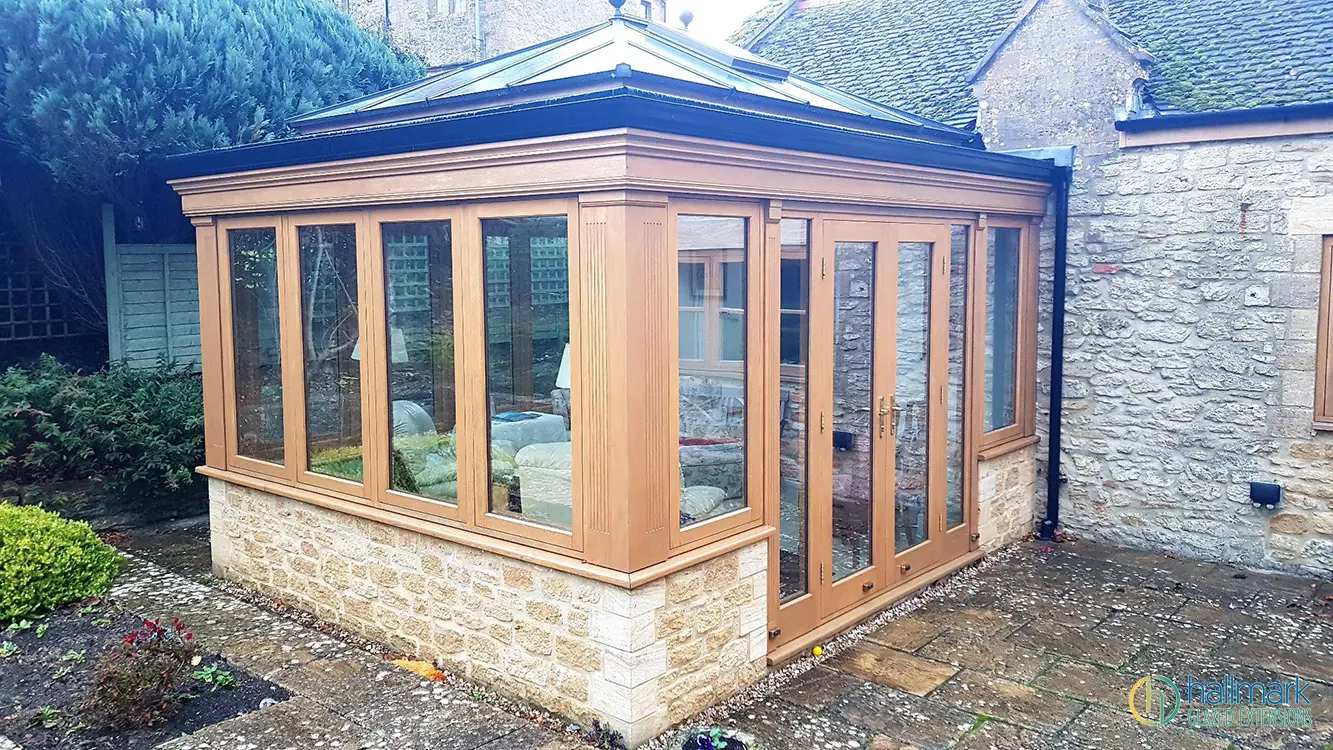
Understanding the True Costs of an Oak-Framed Conservatory or Orangery
Understanding the real cost implications before beginning such a project is essential. Several key factors affect the price:
1. Size and Design Complexity
The size and intricacy of your design significantly influence costs. Depending on size, specific design details and building complexities, a bespoke oak-framed extension generally costs from £4000 per square meter plus associated building work.
2. Quality of Oak Used
Higher-quality seasoned oak naturally costs more but offers better durability and visual appeal. European oak is particularly popular and renowned for strength and longevity.
3. Glazing Choices and Insulation
High-performance glazing (like double or triple glazing with energy-efficient properties) helps manage temperature, making your space comfortable all year round. However, advanced glazing can add significantly to your budget.
4. Planning Permission and Regulations
Depending on your property's location and extension size, you may need planning permissions, especially if it is a Listed Building, or approval from building regulations, adding costs and time.
5. Construction and Installation Complexity
Complex designs or difficult installation sites can increase labour costs and timelines, impacting your total budget.
Typically, oak-framed conservatories and orangeries start around £70,000, while larger, more elaborate builds will surpass £100,000. This includes the associated building work. Although, if you are replacing an existing structure, with a like for like design, onto an existing base, then the cost will likely be from £45,000 dependant on the size.
Understanding these variables ensures you can plan effectively.
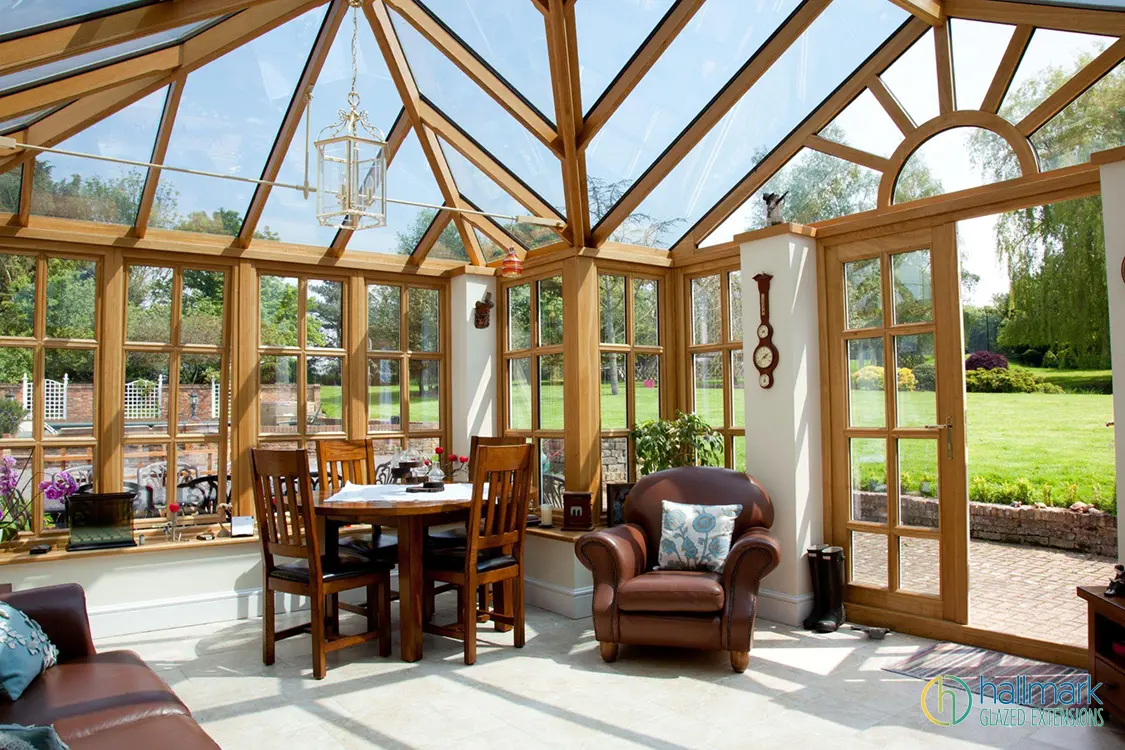
Alternatives to Oak: Stylish, Affordable, and Practical
Not everyone’s budget accommodates the higher costs associated with oak, and that's absolutely fine. You still have fantastic frame alternatives that offer great style, practicality, and longevity:
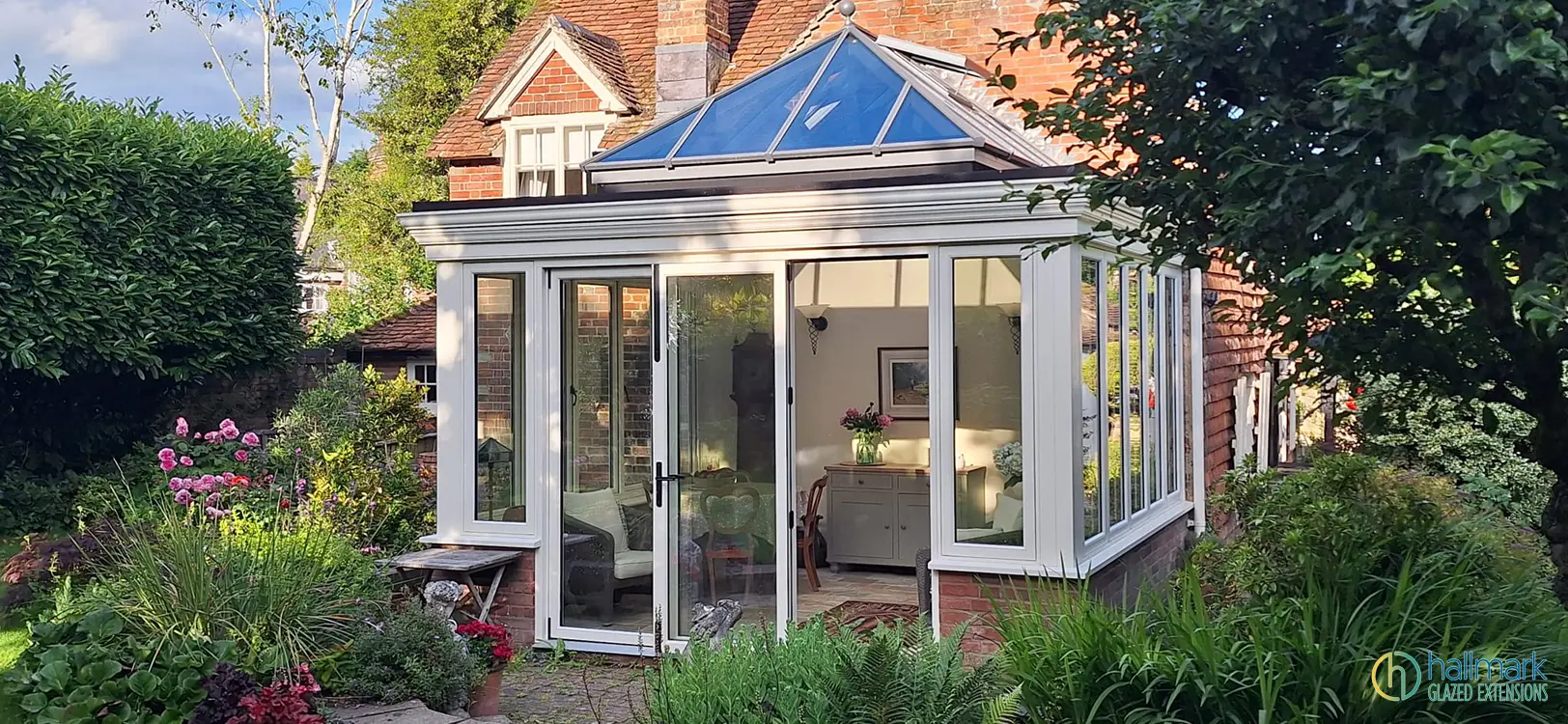
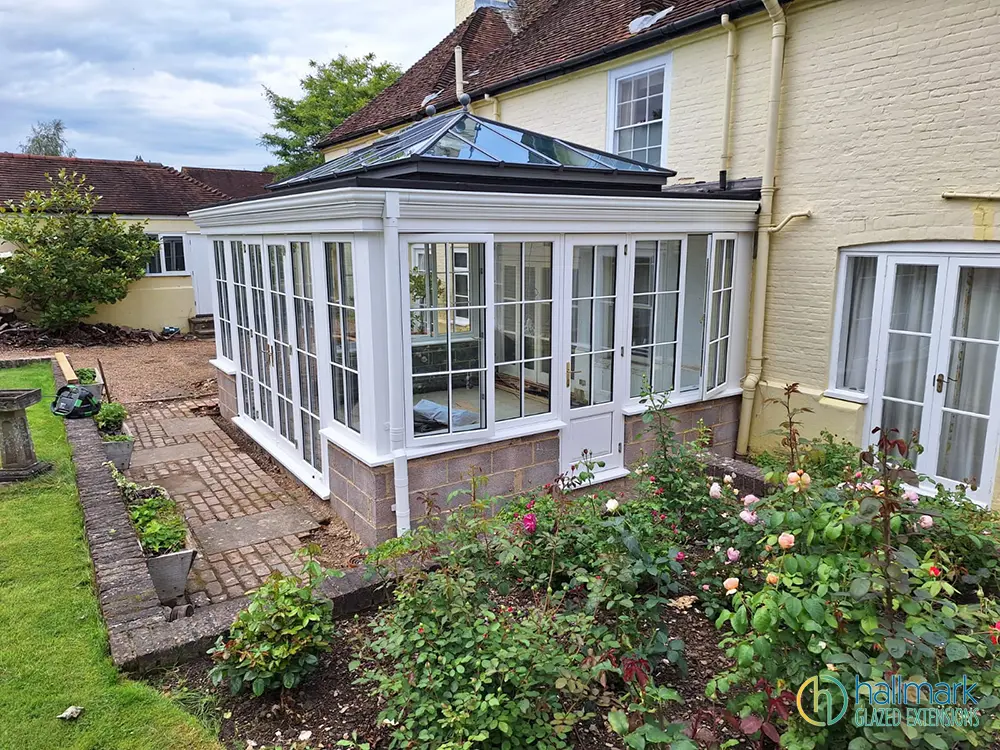
Hardwood Conservatories and Orangeries
If oak is out of budget, hardwood options such as sapele or idigbo can provide similar aesthetics and durability. These hardwoods still offer a beautiful look and impressive structural strength, but at a notably lower cost.
With hardwood conservatories or orangeries, you can achieve a premium, classic look without the price tag associated with oak. Regular maintenance, like periodic staining or painting, ensures the timber retains its beauty for decades.
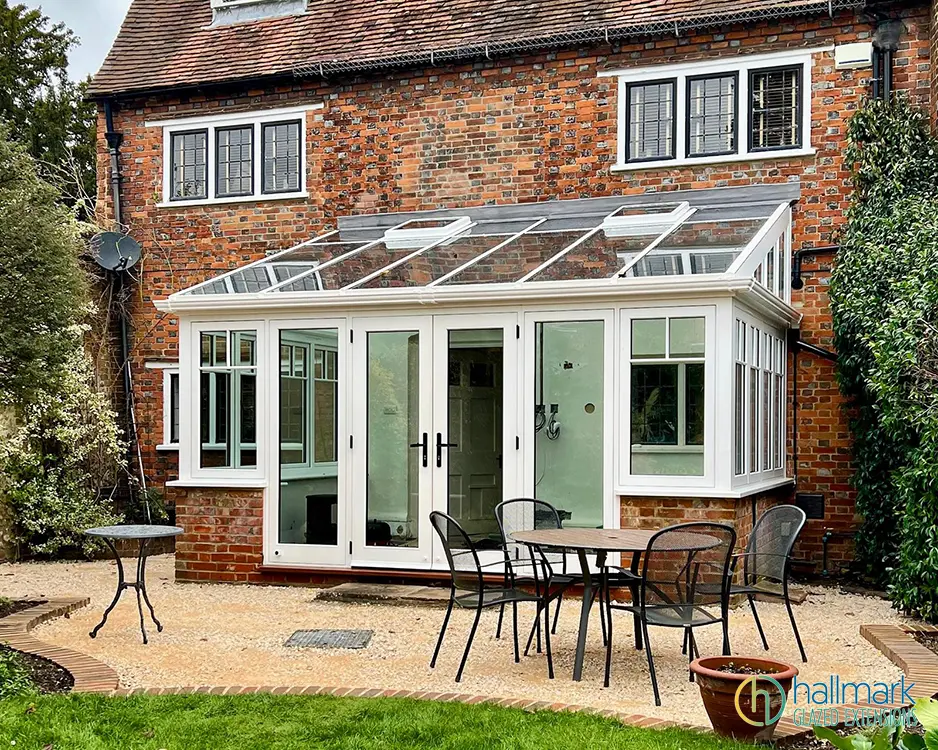
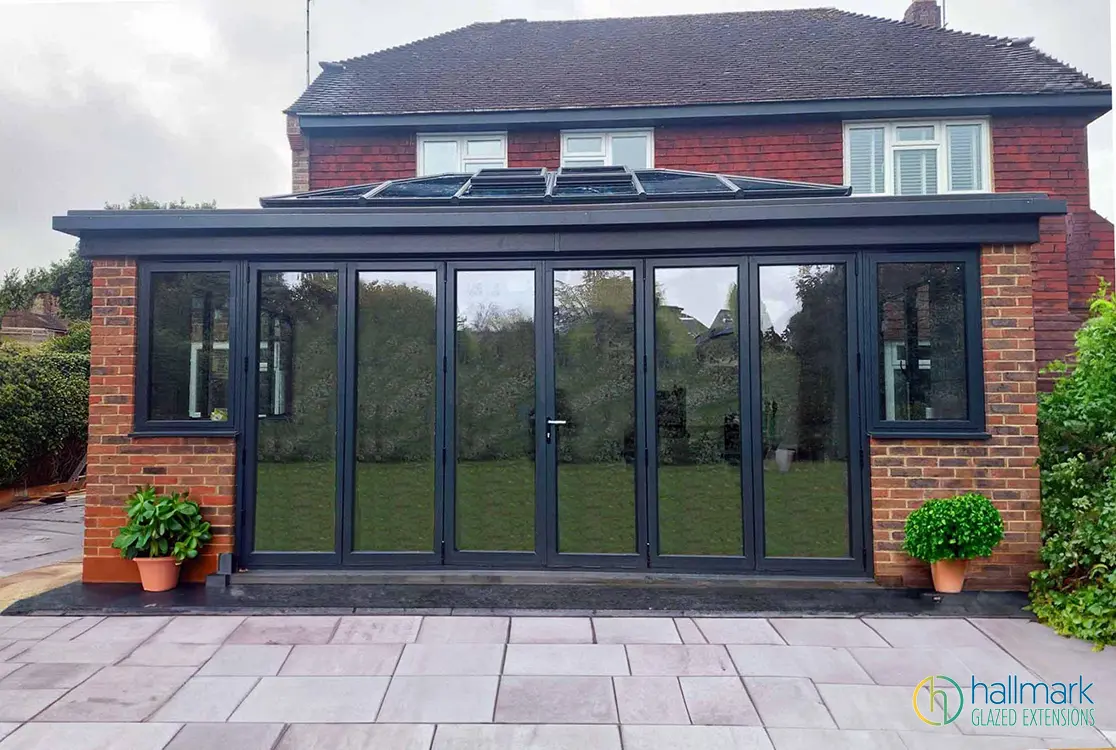
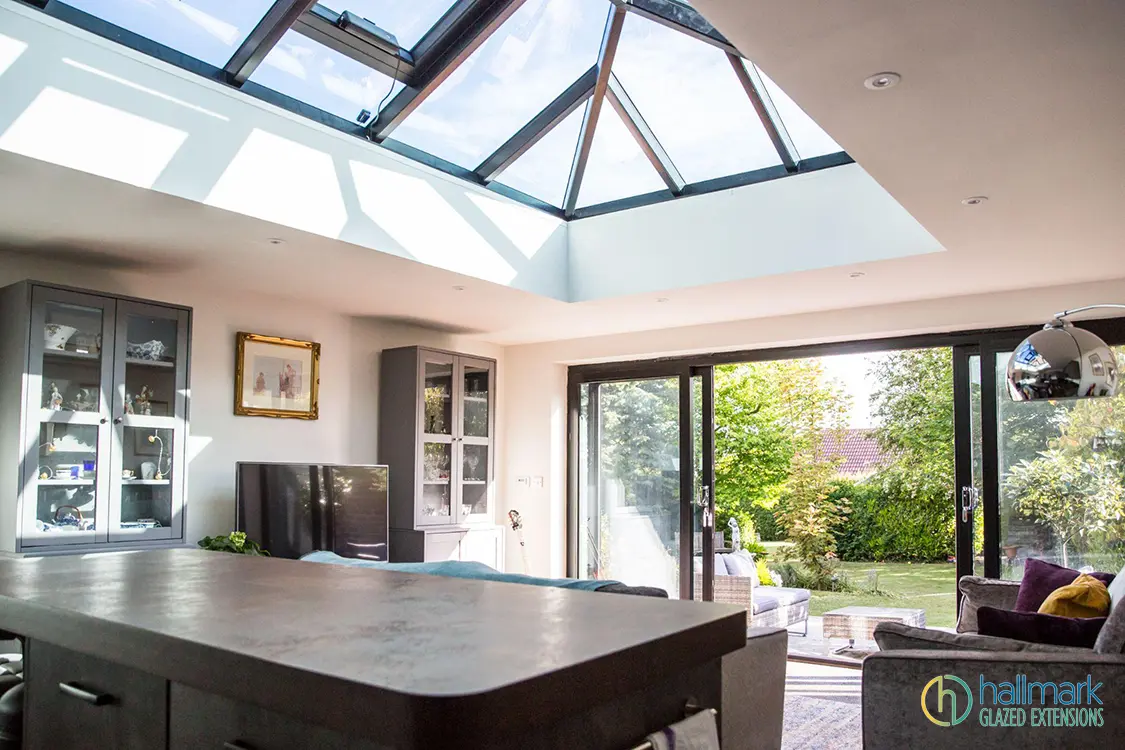
Aluminium Conservatories: Modern and Maintenance-Free
Aluminium is another excellent, contemporary alternative. It has quickly become popular thanks to its sleek design and affordability. Aluminium structures offer:
Aluminium conservatories also provide impressive durability, resistance to weathering, and can be powder-coated in various colours to complement your home's aesthetic perfectly.
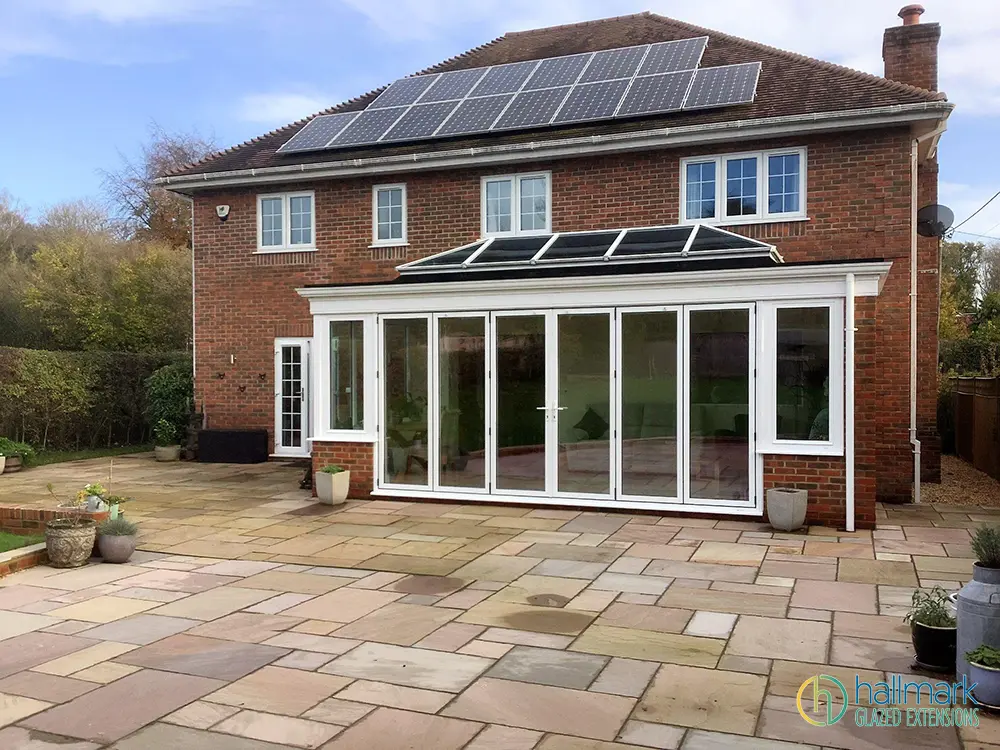
Combining Materials: Timber-Aluminium Hybrid Options
Hybrid conservatories are an emerging trend, combining the warmth and charm of timber interiors with durable aluminium exteriors. These innovative structures offer homeowners the best of both worlds, providing exceptional thermal efficiency, minimal maintenance, and an elegant interior ambiance.
Hybrid solutions can be a cost-effective way to achieve a high-end finish without the total expense of an entirely oak-framed structure.
Working with Hallmark Glazed Extensions
Choosing the right design and installation company for you iis crucial, regardless of budget or material preference. At Hallmark Glazed Extensions, we understand that every homeowner's needs are unique, and we’re committed to helping you make the right decision for your home.
Our approach involves:
Our goal is always to deliver exceptional results, enhancing your lifestyle and the value of your property, no matter your budget without compromising on quality.
Final Thoughts: Making the Right Decision for Your Home
Oak-framed conservatories and orangeries are undeniably stunning, but they're not your only option.
Whether you're drawn to the natural beauty of oak, hardwood's practicality, or aluminium's sleek modernity, choosing the right option for you based on aesthetics and realistic budget is key.
At Hallmark Glazed Extensions, we'll guide you at every step, ensuring your dream home extension becomes reality.
FAQs: Everything You Need to Know About Oak-Framed Conservatories and Alternatives
How long does an oak-framed conservatory last?
With proper care and maintenance, oak conservatories typically last upwards of 60 years or more. The natural durability and strength of oak make it exceptionally long-lasting.
Is planning permission required for oak orangeries and conservatories?
Planning permission isn't always necessary, especially if the structure falls within permitted development guidelines. However, certain factors—like property location, size, and listed building status—may require permission. Always check with your local planning authority.
Are hardwood conservatories a cheaper alternative to oak?
Yes, hardwood options tend to be more affordable than oak while offering excellent durability and aesthetics.
What are the main benefits of choosing aluminium conservatories?
Aluminium conservatories are affordable, highly durable, maintenance-free, resistant to weathering, and available in various colours. They're also quick to install compared to oak.
Can I add an oak-framed conservatory to a listed building?
Yes, but you'll typically need planning permission and listed building consent. Working with an experienced company helps ensure compliance with local regulations.
How energy-efficient is an oak-framed conservatory or orangery?
Combined with quality double glazing, oak structures provide excellent thermal performance, maintaining a comfortable temperature year-round and lowering heating costs.
Are hybrid conservatories a good investment?
Timber-aluminium hybrid conservatories offer a compelling mix of aesthetics, low maintenance, and durability, making them a wise, cost-effective investment for modern homeowners.
What ongoing maintenance is required for oak or hardwood extensions?
Oak and hardwood structures require periodic treatment (oil or stain) every few years to protect the timber from weather and ensure long-term performance.
How quickly can a conservatory be installed?
Installation timelines vary depending on size, material, and complexity. Oak structures typically take longer due to their bespoke nature, usually between 8-12 weeks, including the associated building works such as base and brick work, plastering, electrics and plumbing. While, aluminium can often be installed in a shorter timeframe.
Can I use an oak conservatory all year round?
Yes, with appropriate glazing and insulation, oak-framed conservatories and orangeries are comfortable and fully usable throughout every season.
What is the cheapest alternative to oak for conservatories?
Hardwood and aluminium structures can be significatbtly lower cost options, providing good quality and aesthetic flexibility at a lower cost than oak.
Are oak conservatories environmentally friendly?
Oak is sustainably sourced and biodegradable, making it an environmentally responsible choice. Using FSC-certified timber (https://fsc.org/en) for maximum sustainability.
How do I maintain the appearance of my oak conservatory?
Regular cleaning, occasional oiling or staining, and timely addressing of any minor damage or wear will maintain the oak’s natural beauty and prolong its lifespan significantly.
